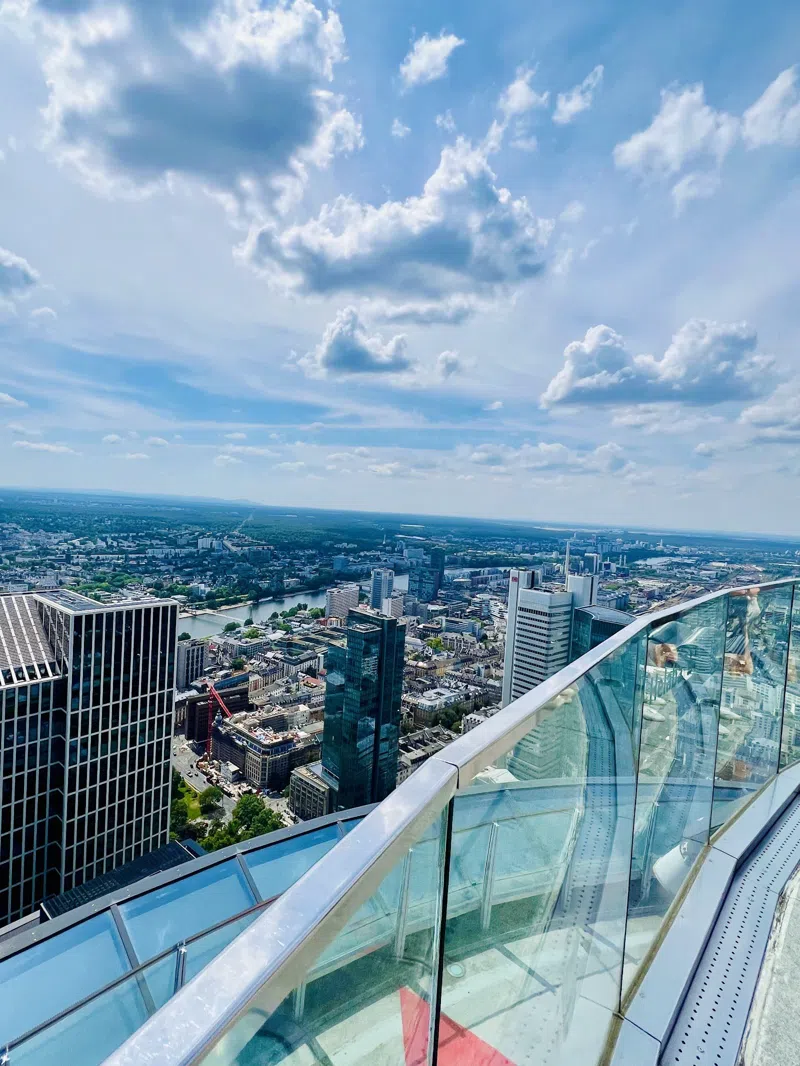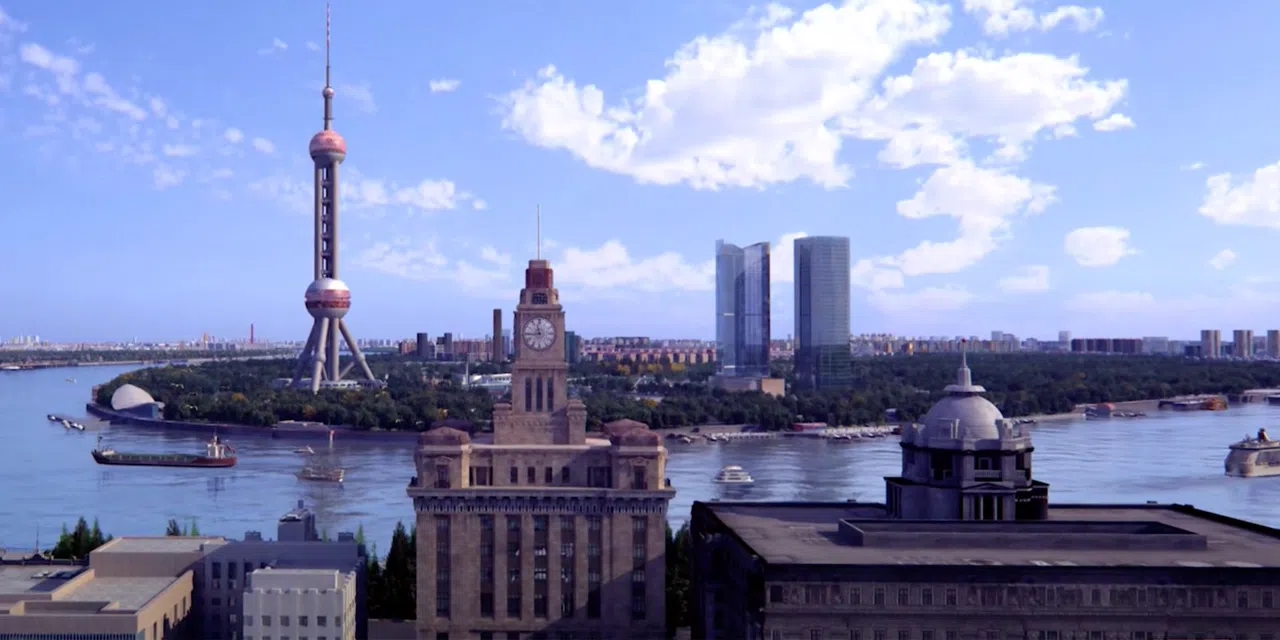

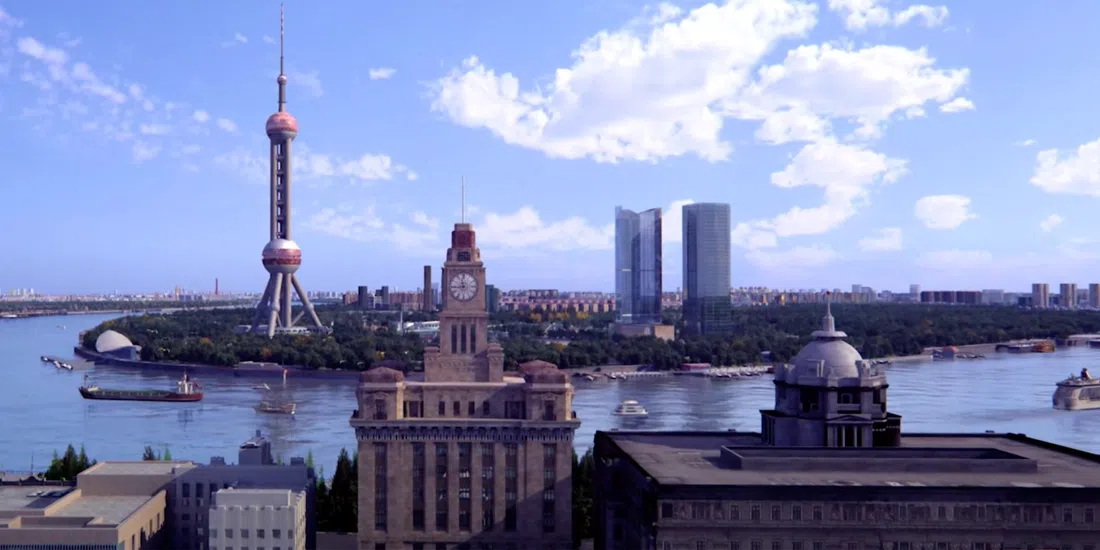
The lift inside Shanghai Tower travels at 18 metres a second and reaches the 118th floor in about fifty-five seconds: not long enough to finish a sentence, long enough for your ears to complain. The doors open onto a sealed glass ring with Lujiazui flattened beneath it, the older towers reduced to architectural models, the Huangpu bending away and the city running out to a horizon that is either razor-sharp or entirely absent, depending on the day. Whether that is worth ¥180 and two hours of your time comes down to two things nobody mentions at the door: what time you arrive, and whether you are carrying your passport.
What the ticket actually buys
Top of Shanghai Observatory (Shanghai Tower, Lujiazui) is sold as a single visit, but it is better understood as three stacked places. It begins underground in the B1 exhibition hall, which explains how a 632-metre building gets built (the twisting double skin, the raft foundation, the wind loads) and is more substantial than the usual attraction preamble. Then the lifts, whose floor counter most people photograph instead of watching.
Floor 118 is the main deck: a full glass circuit you can walk in ten minutes and should walk twice, once for the river side and once for the inland side, because the two views have almost nothing in common. Floor 119 holds the Café in the Clouds, useful mainly as a seat. Floor 121, the Guinness-recognised 562-metre level, is the highest point on the ticket and in practice a smaller room with a marginally better angle. The number matters more than the extra height does.
Every public floor here is sealed. There is no outdoor terrace, no open rail and no wind anywhere in the tower. You are looking through double glazing throughout, which is fine for the view and awkward for photographs.
Prices are ¥180 for an adult (roughly US$25), ¥120 for students and over-60s, ¥90 for children between 1.0 m and 1.4 m, and free under 1 m. The combined ticket with the damper hall runs about ¥268. Hours are 8:30 to 22:00 daily with last entry at 21:30, though the official Chinese-language site also currently lists a 09:00 to 18:00 window for parts of the building, so confirm on the morning you go rather than trusting one figure.
How long the whole thing takes
Budget an hour and a half to two hours from joining the queue to walking back out onto the plaza. On an ordinary weekday that breaks down as fifteen to thirty minutes of ticketing and security at B1, fifteen minutes in the exhibition hall if you read the panels, a minute in the lift, and forty-five minutes to an hour up top before the glass and the crowd start to wear on you. Add another thirty to forty minutes if you take the damper hall upgrade.
On a Saturday afternoon, in a school holiday, or during a national holiday week, the ticketing and lift queues can double and the deck itself becomes a slow-moving ring of people rather than a place to stand still. The building handles it competently, and the lifts are fast enough that queues clear in batches, but nobody enjoys the 118th floor shoulder to shoulder.
Timed entry, real names and the passport rule
Ticketing here is real-name and timed. Every visitor needs their own ticket linked to their own identity document, children included, and for foreign visitors that means the physical passport you booked with, not a photo of it. Turn up with a booked slot and you enter in that window; turn up without one and you buy at B1, which usually works but may hand you a slot an hour or two later than you wanted.
That single administrative detail is the whole argument for and against booking ahead. The ticket is cheap and rarely the problem; the friction is the queue, the slot and the document check, especially if you are travelling as a family or arriving off a ship with a fixed departure time. Guided full-day options that fold the tower into a wider run through the city exist and run seven days a week. There are 2,331 traveller reviews across the bookable tours here, with the top one rated 5.0 out of 5 from 1,330 reviews, so the format is well-trodden. You are paying for somebody else to handle the tickets, the timing and the transfer rather than for access.
Coach parties are routed through their own fast-track lanes at the B1 entry and moved upward in timed batches, which is worth knowing if you are independent: a group arriving beside you is not jumping your queue so much as using a different one.
Two rooms above the deck
Sky 632 Art Space (Shanghai Tower 125F-126F, Lujiazui) is the one part of the building that is properly different. It is the damper hall, the working tuned mass system that keeps the tower steady in a typhoon, turned into a light installation, and it is run by the same operator as the observatory, sold as an upgrade tier on the same ticket rather than a separate gate. Groups go through in timed batches. If you have any interest in how tall buildings survive weather, this is the part you will still be talking about later. If you only came for the view, skip it and save the difference.
J Hotel, Shanghai Tower and its 120th-floor restaurant Heavenly Jin (Lujiazui) are the splurge version. Heavenly Jin is Guinness-certified as the highest restaurant in a building, more than 100 m above the previous record-holder, and it is the one way to be up here without standing in a deck queue at all. Tasting menus start somewhere above ¥1,000 a head and rooms run well into four figures in RMB. It takes reservations only, at small tables, so coach parties are out.
The 52nd-floor view almost nobody reaches
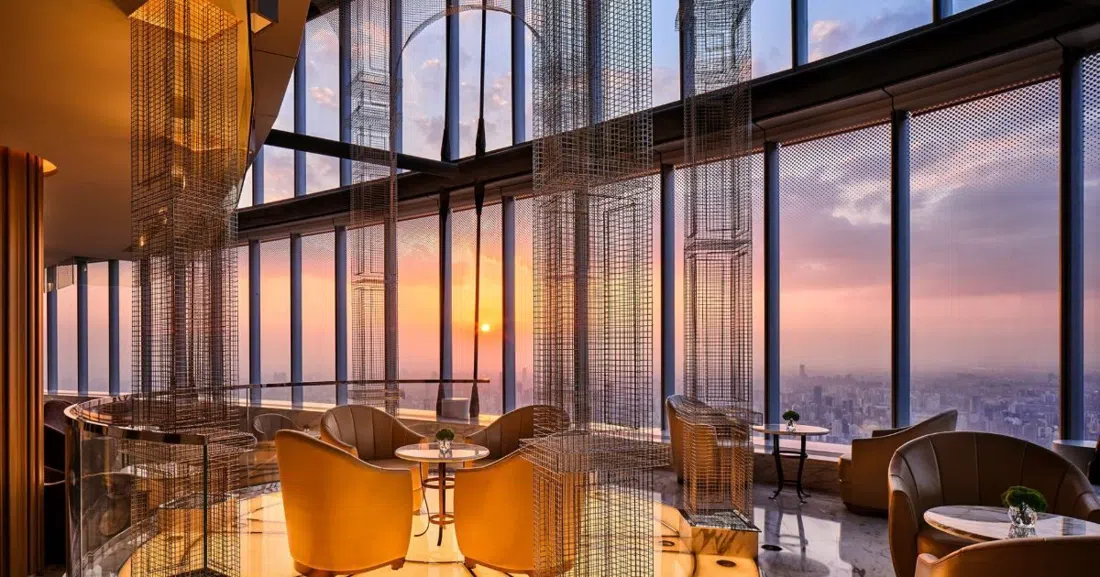
Duoyun Books (Shanghai Tower 52F, Lujiazui) is the cheap alternative inside the same tower: a bookshop and café with a high view, free to enter, with terrace access unlocked by roughly ¥50 to ¥88 of spend downstairs. The catch is the booking wall. Slots are released days ahead by strict timed reservation through a Chinese WeChat account, which is straightforward for a resident and genuinely difficult for an international visitor without a Chinese number, a local friend or a helpful hotel concierge. It works for an independent pair who plan ahead. It does not work for a group arriving on a schedule.
When the neighbours do it better
Jin Mao Tower 88F Observation Deck & Skywalk (Lujiazui) offers the one thing Shanghai Tower cannot: outdoor air. The deck itself is about ¥120 to ¥150 and takes groups freely; hours are 8:30 to 21:30 with last entry at 21:00. The Skywalk is the reason to come, a handrail-free outdoor ledge, harnessed, in capped sessions, at around ¥300 and up including a commemorative set. The limits are firm, 140 to 200 cm in height, 30 to 130 kg in weight, ages 10 to 60, so a mixed group will be split, and bookers must arrive thirty minutes early for security.
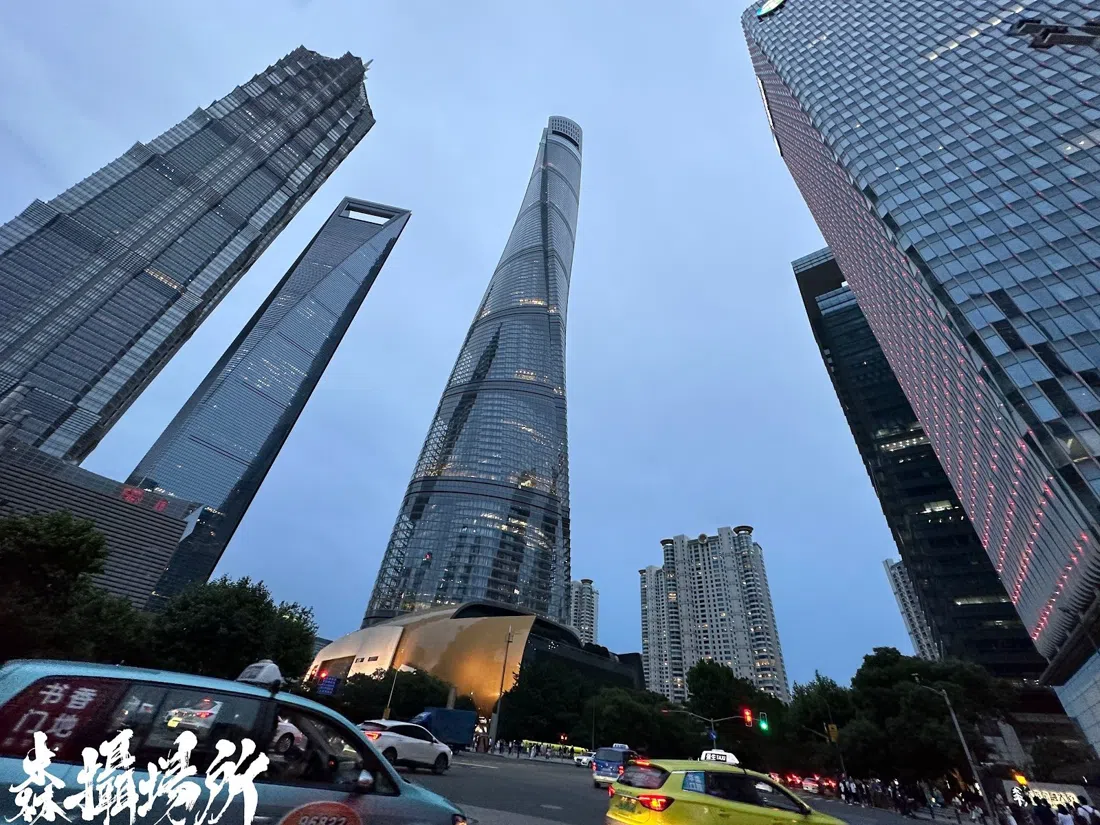
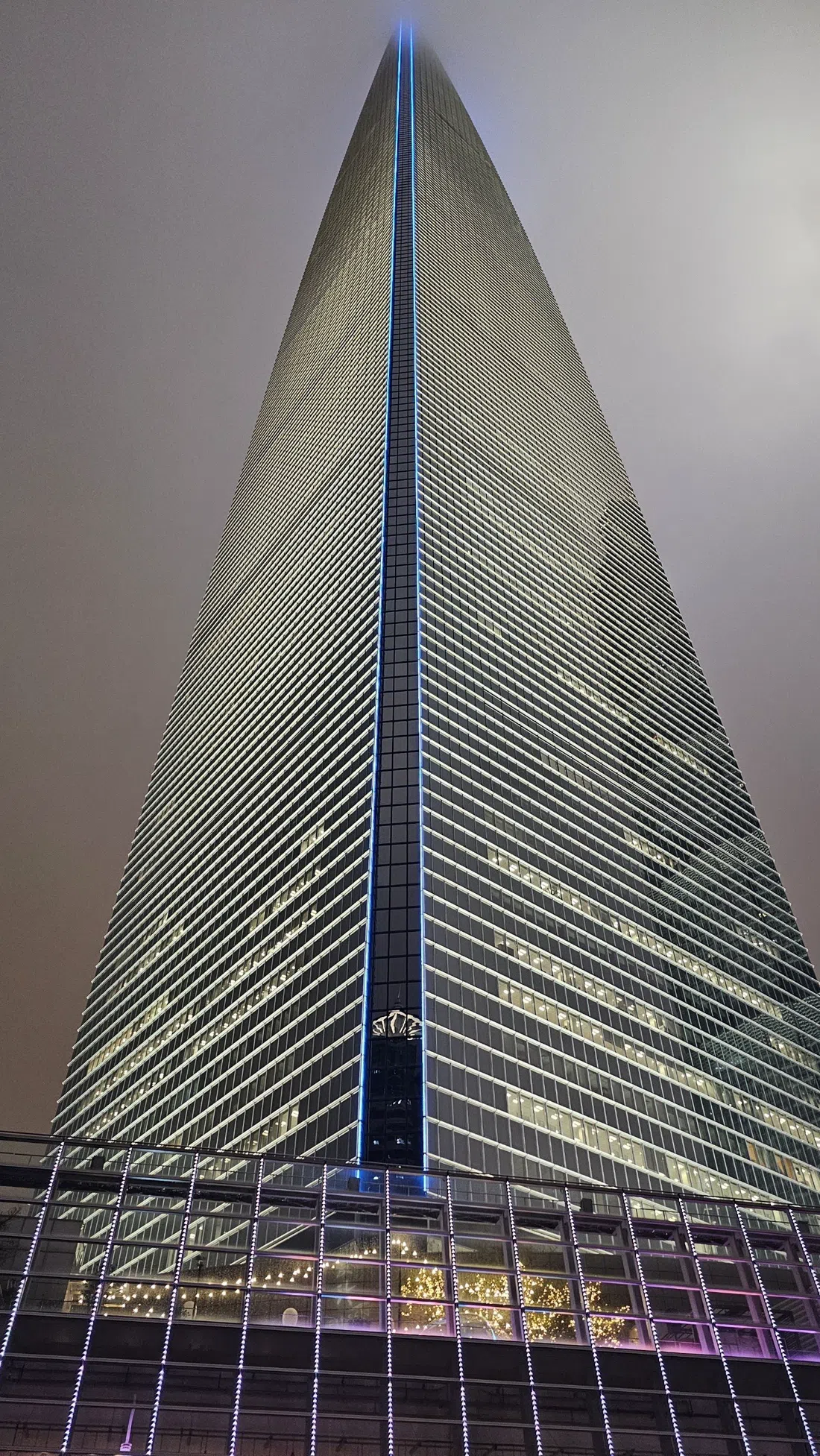
Shanghai World Financial Center Observatory (94F, 97F and 100F, Lujiazui) is the best value for drama if the Shanghai Tower queue has gone long. About ¥180 buys all three decks, and the 100th-floor glass bridge, where you stand over a lit floor panel with the city directly beneath your shoes, beats anything in the taller tower for sheer nerve. Hours run roughly 08:00 to 23:00, tickets are available on site with a passport or through a WeChat mini-programme in advance, and groups are accepted.
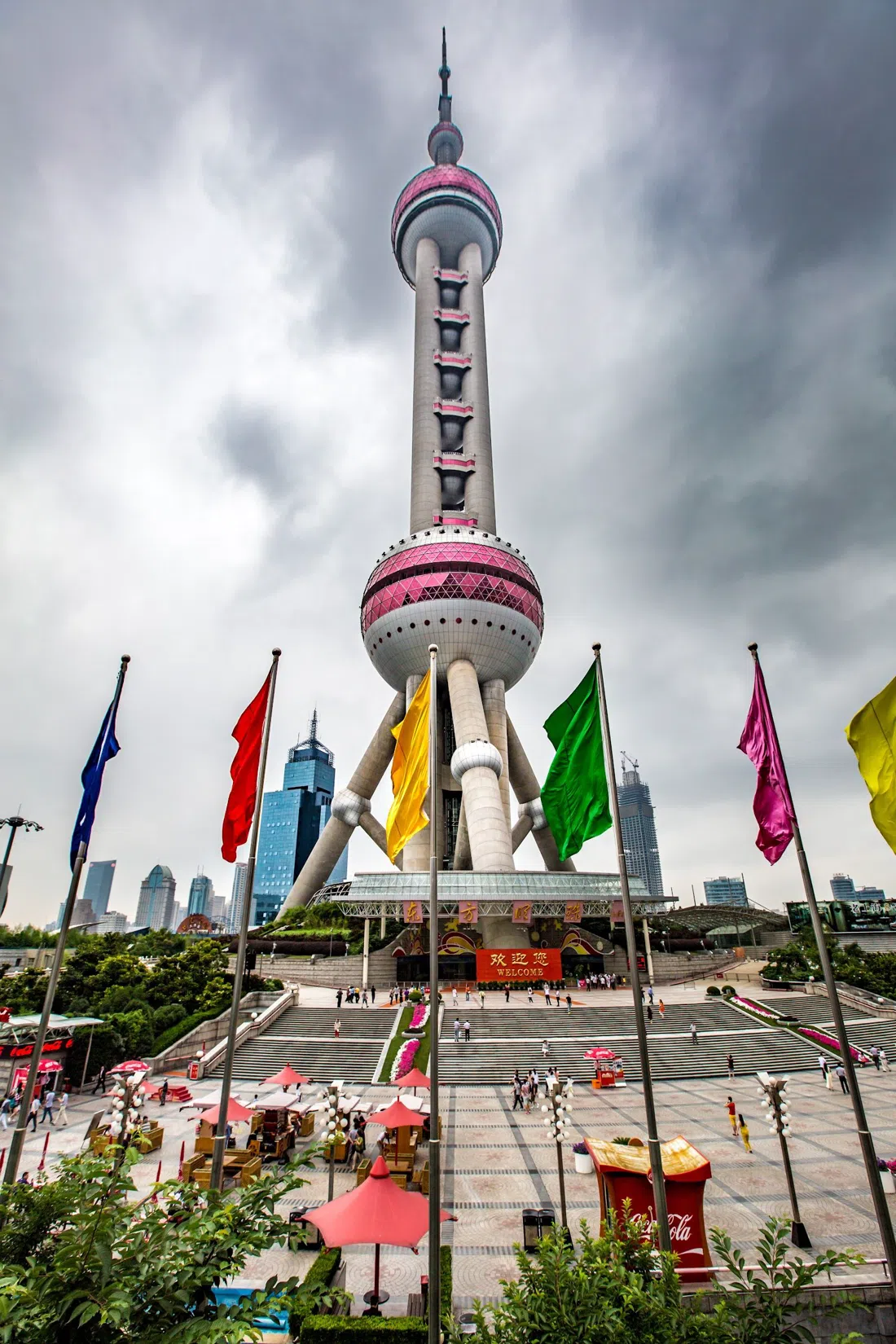
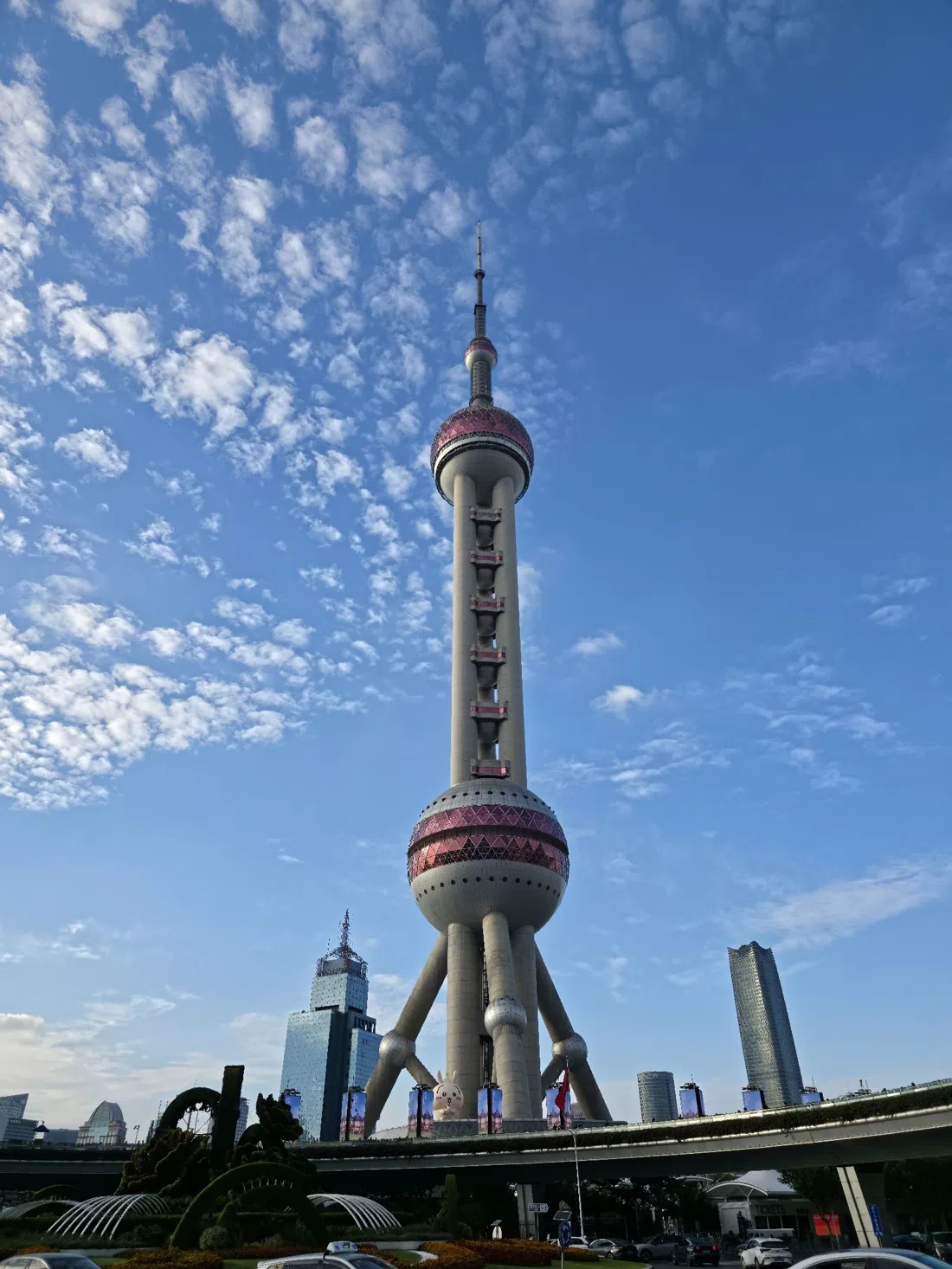
Oriental Pearl Radio & TV Tower (Lujiazui) was built for groups, with coach drop-off and combo tickets as standard, and it draws the heaviest domestic-tour crowds of any site in the district. The view is lower than its neighbours and the queues are worse, so the honest reason to go is the Shanghai Municipal History Museum in its base, which is included in the tower ticket and is very good. About ¥180 basic, ¥199 for two spheres, up to around ¥488 for combinations with dining; open roughly 08:00 to 22:00.
The views that cost nothing
First-time visitors most often spend all their view money on tickets. You cannot photograph Shanghai Tower from inside Shanghai Tower, and the single best free position for it is the Lujiazui Skywalk, the circular pedestrian bridge that rings the intersection below. It is public infrastructure, open around the clock, free, no limit on group size, and crowded enough that patience is part of the visit.
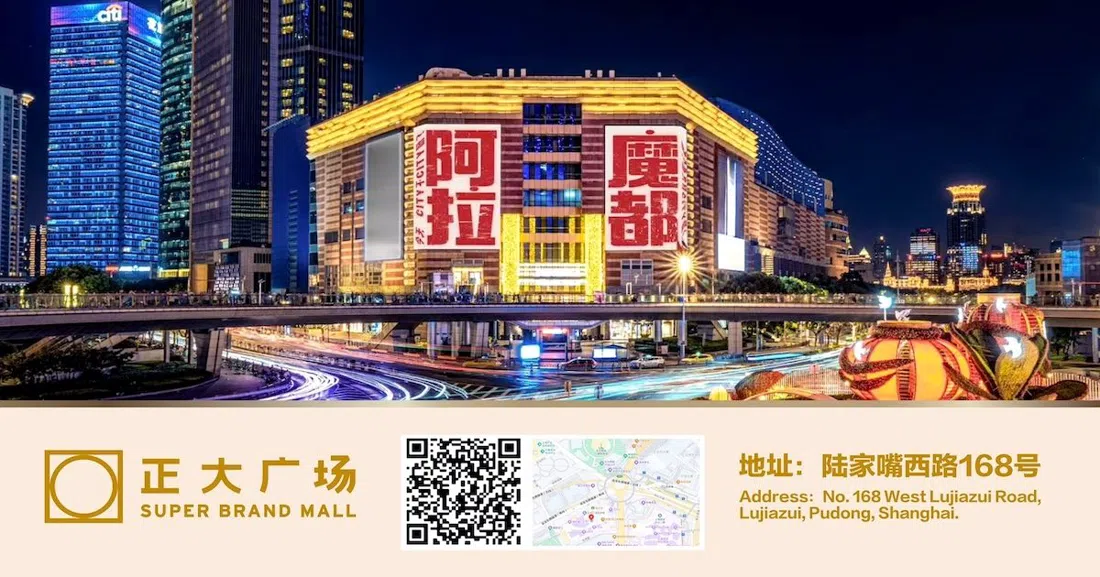
Pair it with Binjiang Avenue (Pudong riverside), the promenade ten minutes' walk from the tower base, where late afternoon light does the work for you: the towers from below on one side, the historic frontage across the water on the other. For a roof over your head, the river-facing upper floors of Super Brand Mall (Zhengda Guangchang, beside Lujiazui metro Exit 2) give a free framed view of the whole cluster, plus food-court meals at about ¥40 to ¥80 and the district's most reliable toilets.
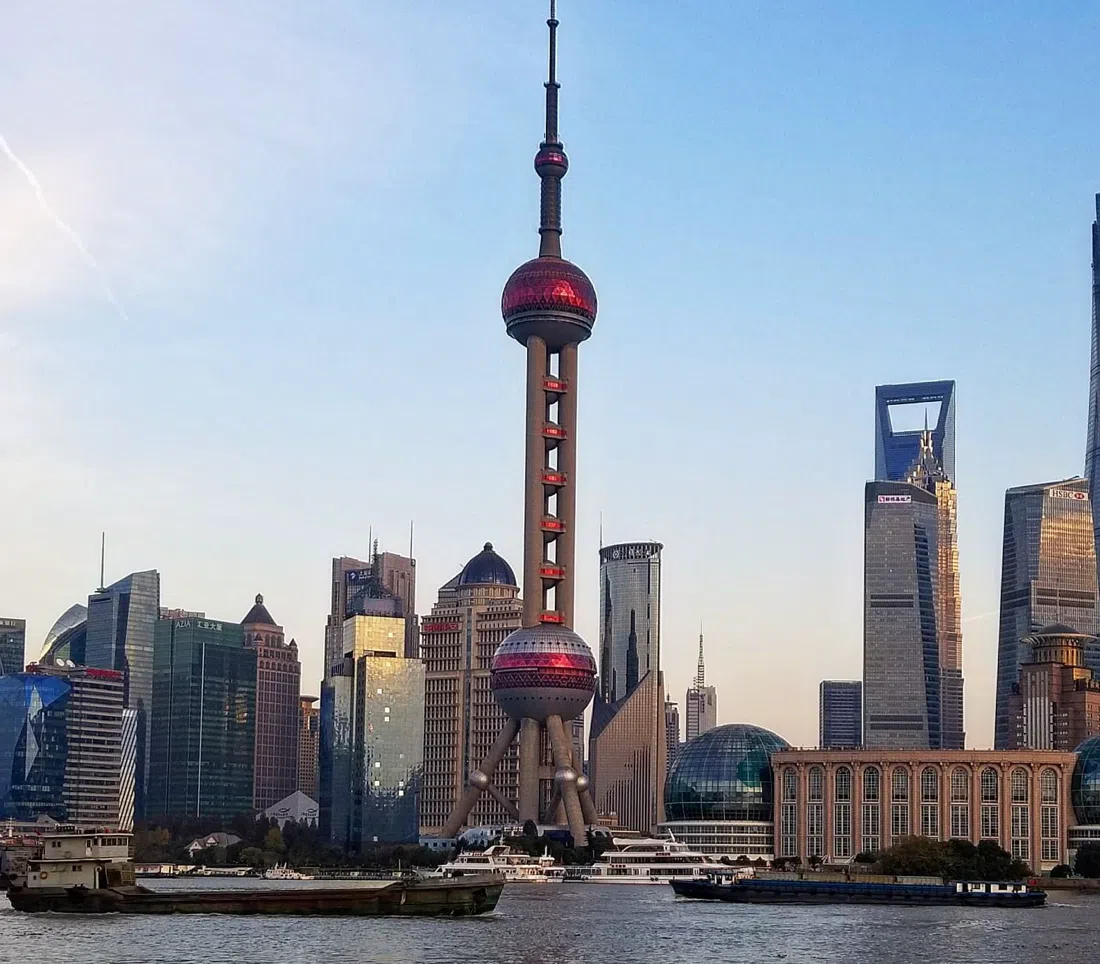
Then cross the water. The Bund (Zhongshan East No. 1 Road waterfront, Huangpu) is free, open all hours and unrestricted, and it is the counter-view that makes the deck make sense: from up there you look at a city, from down here you look at the tower you were standing in.
When the weather takes the view away
Haze and low cloud can turn a ¥180 ticket into a white wall, so have a fallback. Shanghai Museum East (1952 Century Avenue, Pudong) is the serious indoor half-day: free permanent galleries, currently walk-in with a passport and security screening at the B1 East Gate, with special exhibitions still needing advance booking. It opens 10:00 to 18:00 with last entry at 17:00 and closes on Tuesdays except public holidays; take Metro Line 2 to Shanghai Science and Technology Museum.
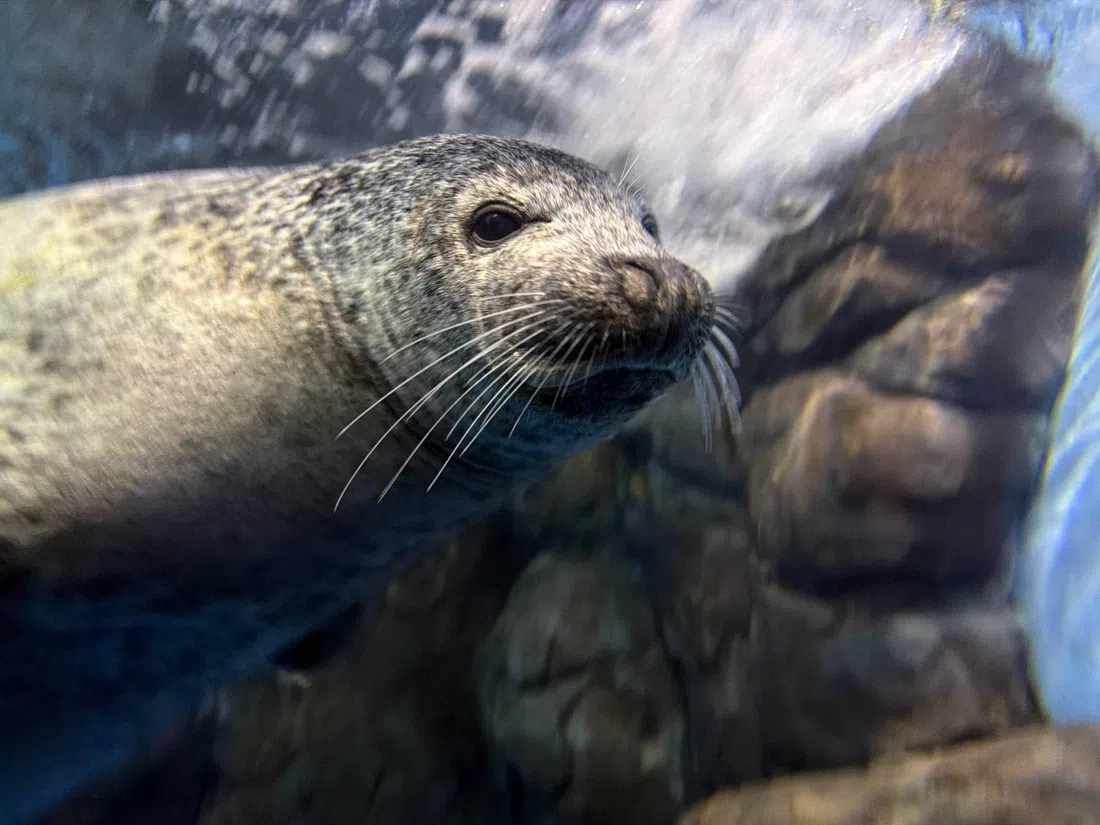
With children in tow, Shanghai Ocean Aquarium (1388 Lujiazui Ring Road) is three minutes from the tower base, from about ¥160 for adults and ¥110 for children between 1.0 m and 1.4 m, opening at 09:00 and usually closing at 18:00 with last entry at 17:30, later in holiday periods. It takes groups and school parties, with timed entry on holidays.
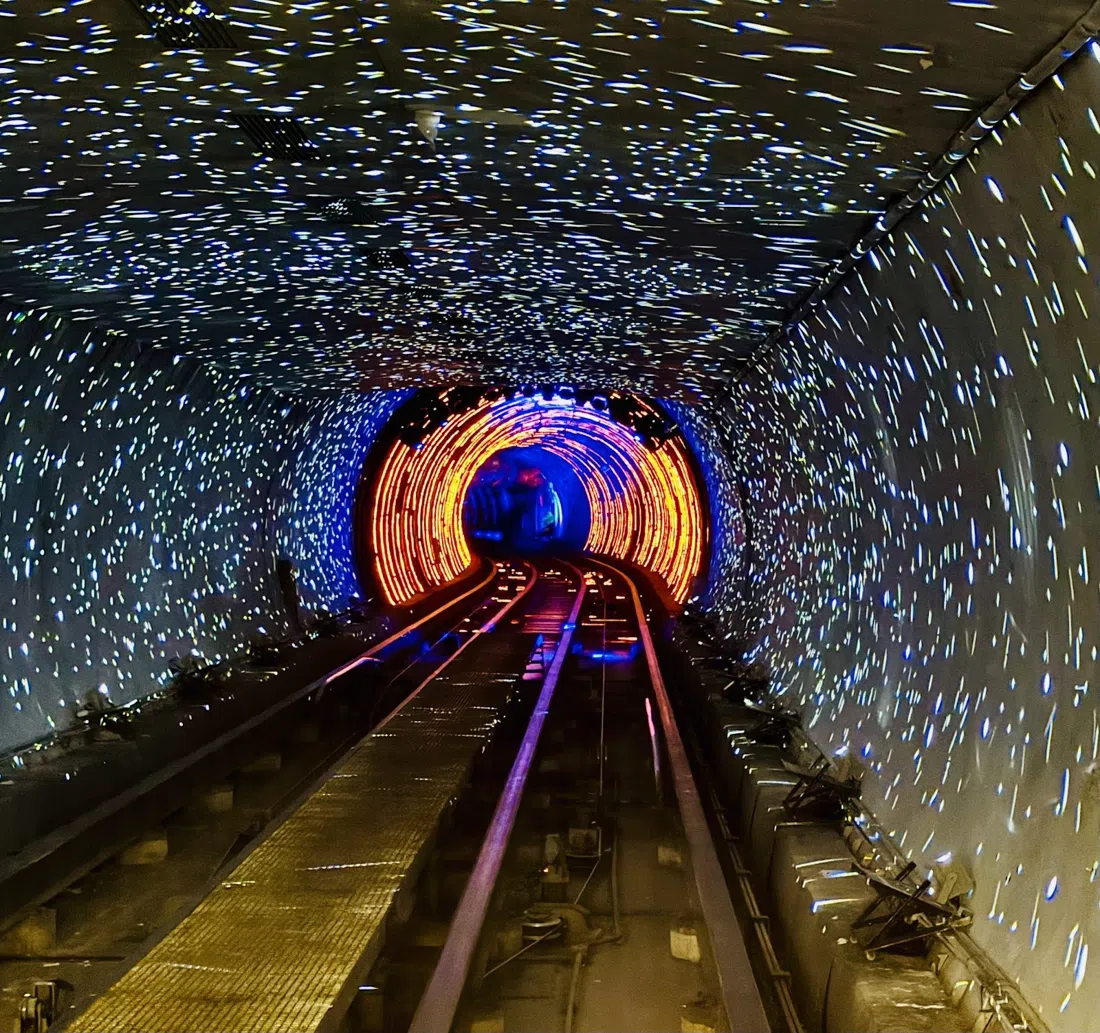
Shanghai IFC Mall (Lujiazui) earns its place for logistics rather than shopping: the sheltered tunnel from the metro to the towers, and a decent lunch when a deck queue overruns. Coffee runs about ¥40, restaurants ¥150 to ¥500 a head, and there is no door policy, which makes it the obvious meeting point. The Bund Sightseeing Tunnel deserves a word too: about ¥50, roughly five minutes, deeply kitsch. The public ferry from the Jinling East Road pier makes the same crossing for ¥2 to ¥5 with an actual view.
A drink instead of a deck
Flair Rooftop Restaurant & Bar at The Ritz-Carlton Shanghai Pudong (Lujiazui) is the best open-air answer to a sealed glass deck: a terrace at eye level with the towers rather than above them. Cocktails run roughly ¥130 to ¥180, prime terrace tables carry a minimum spend, reservations are essential, service starts at 17:30, and it is strictly over-18s, so this is a couples-and-friends venue, not a family one. The hotel's ground-floor lobby goes into refurbishment from 1 October 2026, so access routes may shift.
Is it worth it
Yes, once, if you go up at the right hour and know what you are getting. The engineering story in the basement, the lift, and the moment the 118th floor opens up are worth the money on their own. What is not worth the money is going up in poor visibility, or going up expecting an outdoor experience, or paying for three different decks in one day; after the first, you are buying diminishing angles on the same city.
It suits first-time visitors, anyone with an interest in structures, and travellers on a tight shore-excursion clock who want one unmistakable Shanghai image. It suits people with small children less well, because the queue-and-glass combination is not kind to short legs. Vertigo-prone visitors are safer here than almost anywhere else in the district, since nothing is open and nothing is transparent underfoot. Thrill-seekers should spend their money next door at the Skywalk, and anyone who mainly wants the towers in a photograph should spend nothing at all and walk the bridge.
Best time to go
Go for visibility first and light second. The clearest air comes in late autumn and winter, especially in the day or two after a cold front or heavy rain has scrubbed the sky; high summer brings heat haze and humidity that can flatten the view even under blue sky. Check the horizon from street level before you buy. If you cannot see the far bank of the river clearly, you will not see much from 562 metres.
By time of day, the first entry slots after 8:30 are the calmest and usually the clearest, and you will have the deck close to quiet. The worst window is roughly 14:00 to 17:00, when independent visitors and tour batches overlap. The photographer's slot is the hour before sunset into the half-hour after, when the city lights come up while there is still shape in the sky, and that is also the busiest paid hour of the day, so book a slot rather than chancing the door. Late evening, after about 20:30, thins out again, and the lit city is arguably the better subject anyway.
By day of week, Tuesday to Thursday beats the weekend comfortably. Avoid the national holiday weeks in early October and around Chinese New Year entirely if crowds bother you; the whole district fills.
Practical notes
Metro Line 2 to Lujiazui puts you in an underground network that reaches the tower bases without crossing a road, which matters in rain and in August heat. Bring your passport, which is required for ticketing at the tower and for entry at Shanghai Museum East. Cash is awkward across the district; set up mobile payment with an international card before you arrive, or use a transport card for the metro.
On budget, a free half-day is entirely viable: the bridge, the promenade, the riverside and the far bank cost nothing. A single deck ticket is ¥180, the damper-hall combination about ¥268, and a day that stacks two decks plus the aquarium will pass ¥500 a head before lunch. Sleep on the Pudong side if decks and the river are your priority, or across the water if you want the towers in your window. Compare both in a Shanghai hotel search, and read the wider Shanghai guide for how the rest of the city fits around a morning in the clouds.
One last piece of sequencing: do the tower first thing, the free bridge and promenade in the late afternoon, and the far bank after dark. In that order the day builds, and in reverse it ends with a queue.