The Shanghai issue
Behind the Stone Gates: Life in Shanghai's Vanishing Longtang Lanes
A calm, honest walking guide to the shikumen lane neighbourhoods that made Shanghai — from the sanitised showpieces to the lanes where people still hang out their laundry as you pass.

By Marit de WildeWalking Shanghai's lanes, one lilong at a time
Behind every polished café façade and gated hotel courtyard in central Shanghai runs a narrower, older story — told in grey brick, shared kitchens, bamboo drying-poles and the smell of a hundred small dinners cooking at once. These are the longtang: the lane neighbourhoods threaded behind the shikumen, or “stone-gate” houses, that were how most of this city actually lived for the better part of a century. They are disappearing block by block, and this guide walks you through what survives — from the sanitised gateway version to lanes where residents are still hanging washing on poles as you pass. Keep the Shanghai guide open alongside this one for the wider neighbourhoods.
A quick primer, because it changes how you see everything. After the Taiping upheavals of the 1860s pushed waves of refugees into the foreign concessions, developers threw up dense terraces of row houses, each entered through a heavy stone-framed doorway — the shikumen, literally “stone-warehouse gate.” The lanes between them are the longtang (also written lilong). It was a hybrid form: European speculative terrace housing on the outside, a shrunken Chinese courtyard house within. Learn to read a gate — the carved lintel, the thick timber doors, the little forecourt where a family once kept its coal and its gossip — and half of central Shanghai suddenly makes sense.
Start where it's easy: the restored gateway
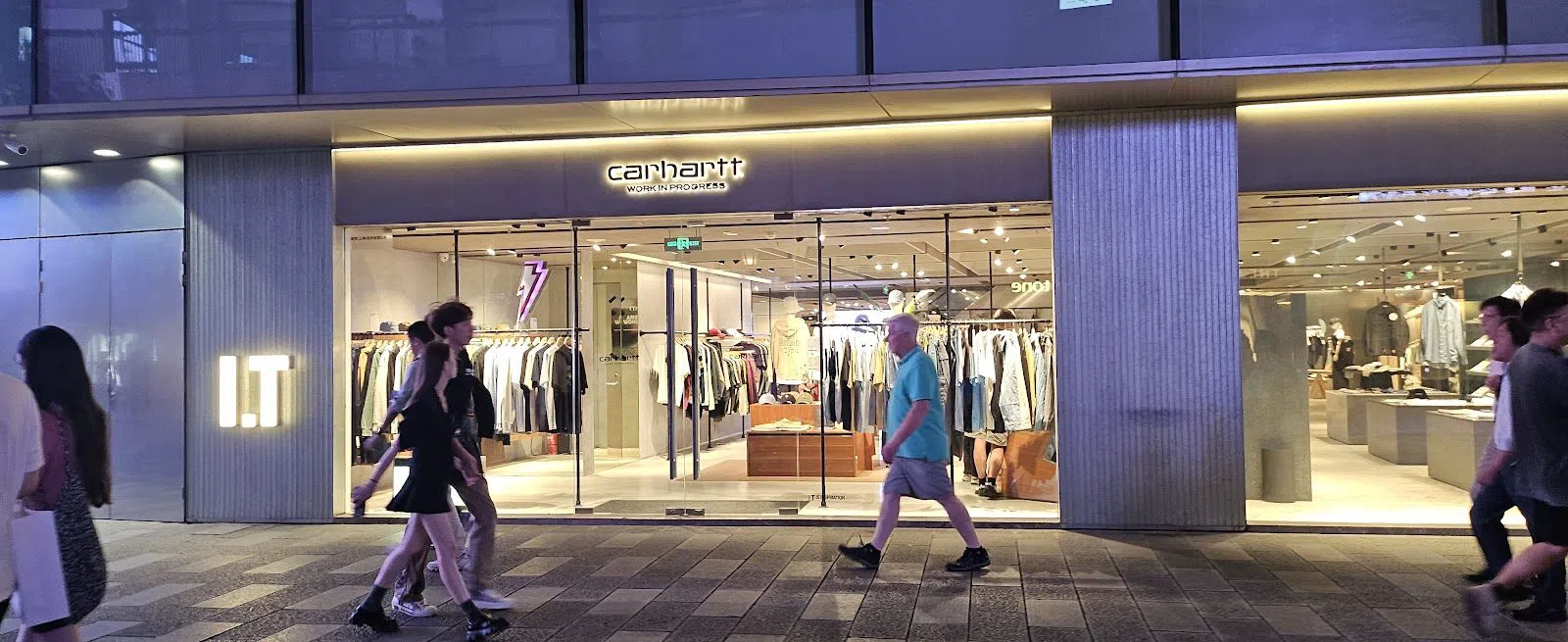
If you are travelling as a group, or simply want your bearings before the tighter lanes, begin at Xintiandi (Huangpu, central). This is the polished, commercialised face of shikumen: two open-air blocks of restored stone gates rebuilt as an upmarket dining and nightlife district. Be honest with yourself about what it is — architecturally it has been sanitised almost to the point of theme-park, the brick pointing too neat, the lanes swept of any real domestic life. But it is genuinely the easiest and safest first stop for an international group. The restaurants and bars here take large bookings and tour groups without fuss, wandering the blocks is free, and dining and drinks sit firmly at the upper end (¥¥¥). It also carries real weight: the Chinese Communist Party held its First Congress in a shikumen house on this ground in 1921, which is part of why the block was preserved rather than flattened.
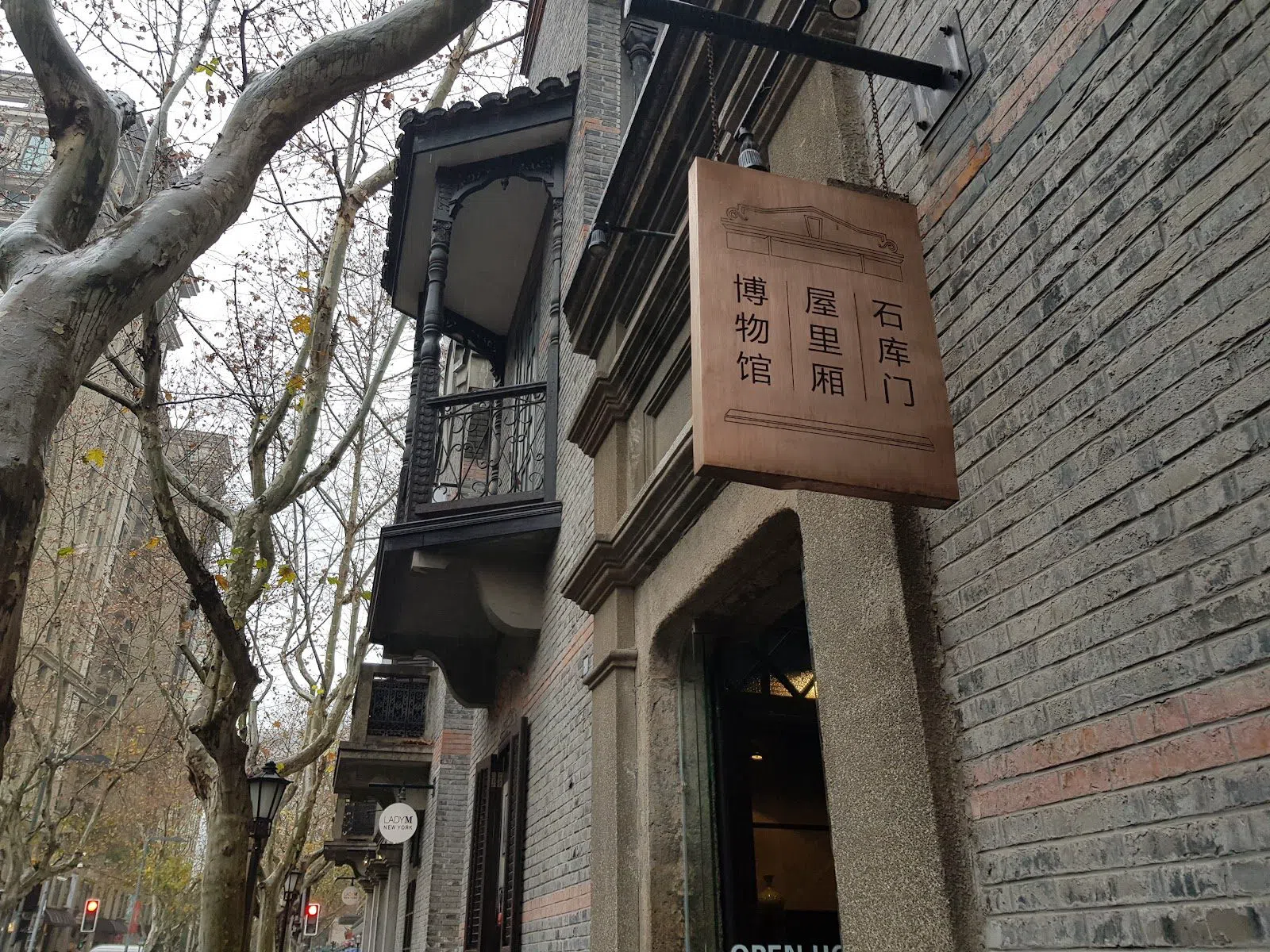
Before you leave, step inside the Shikumen Open House Museum (Wulixiang) (inside Xintiandi). It is the single best twenty-minute explainer of how a lane family actually lived: a restored 1920s house furnished room by room — the front hall, the cramped upstairs bedroom, the tingzijian (the small back room over the kitchen that generations of students and writers rented cheap), the shared stove. Entry is ticketed but very cheap, roughly ¥20–30 per person. Small groups are fine, but the staircases are narrow and steep, so a larger party will need to go up in staggered clusters rather than as a scrum. Pair it with the Xintiandi walk and the district's restored gates outside suddenly read as homes, not shopfronts.
Plan your Shanghai trip
Live prices from our booking partners.
Free cancellation on many rooms. We may earn a commission when you book.
Shanghai's newest old lanes
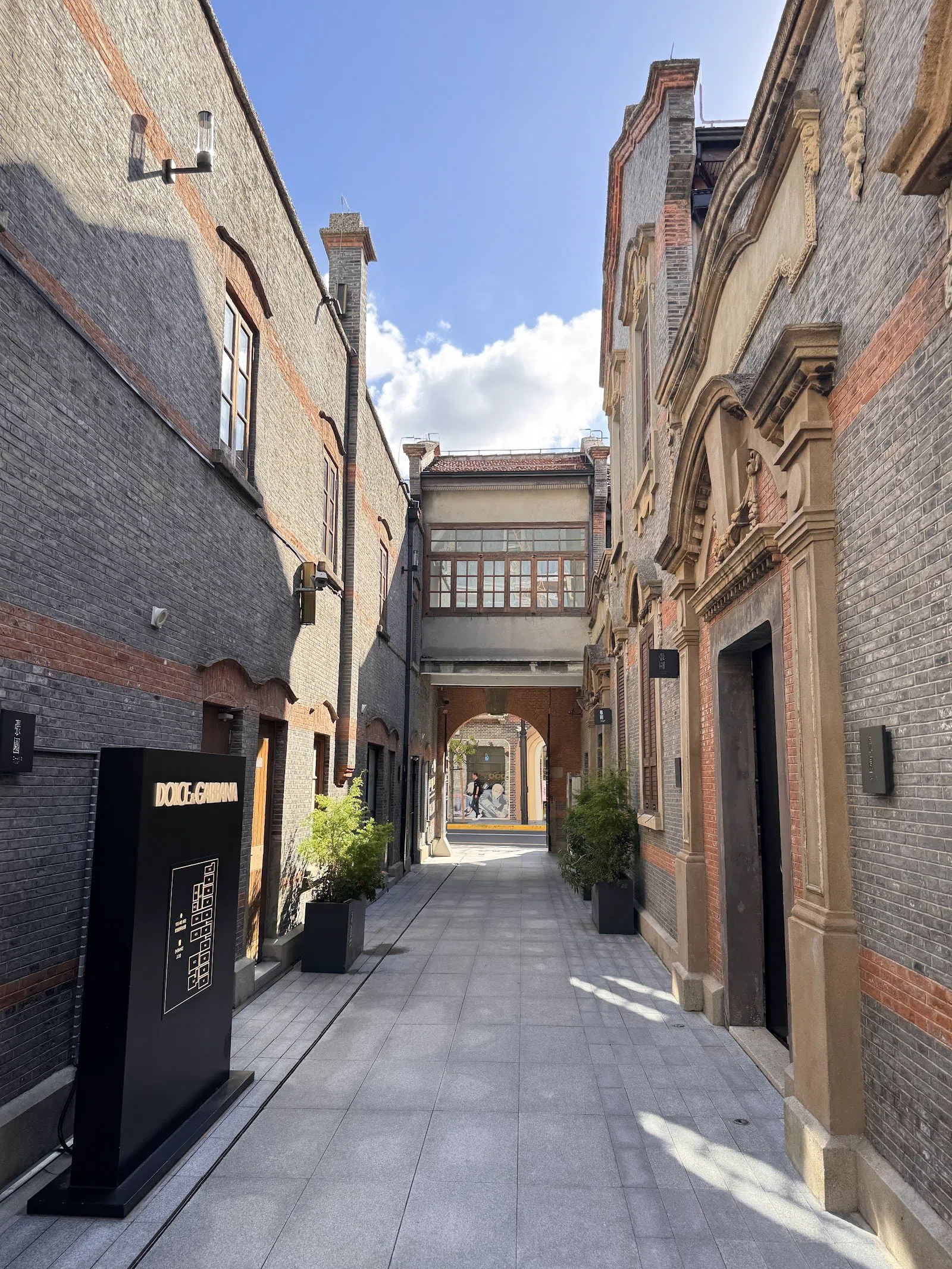
For a heritage attraction that most guidebooks have not yet caught up with, walk the restored lanes of Zhangyuan (Zhang Yuan) (Jing'an, near West Nanjing Road). Once a famous nineteenth-century pleasure garden and later a dense shikumen compound, it has been painstakingly rehabilitated as the city's newest lane showpiece. The East Zone — the First Opening Area — opened only on 30 June 2026, with full completion still slated for 2027, so in 2026 you are seeing something genuinely current rather than a decade-old restoration. It is free to stroll and very group-friendly, with wide, flat lanes; the retail and dining that has moved in is high-end and knowingly luxurious. Come for the architecture and the novelty, not for a bargain.
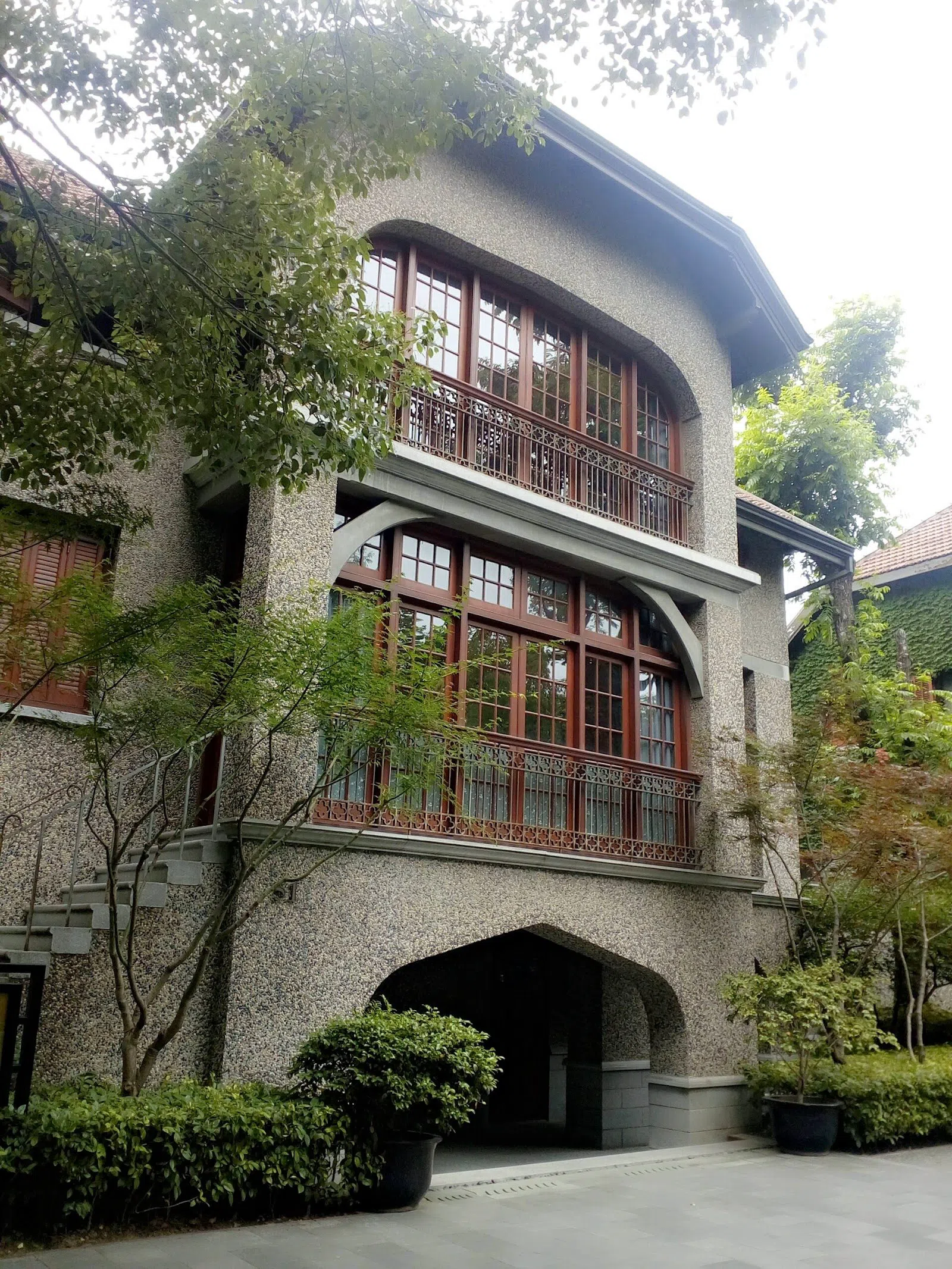
A short way south, Sinan Mansions (former French Concession) shows the wealthier end of concession-era residential Shanghai. This is a restored quarter of garden villas and lanes rather than tight worker terraces — grander in scale, greener, and noticeably calmer underfoot. It is an easy, walkable counterpoint after the density of a true longtang: bars, boutique hotels and restaurants here handle bookings comfortably, strolling the grounds is free, and dining and hotels run to ¥¥¥. If Xintiandi is the commercial gateway and Zhangyuan the brand-new showpiece, Sinan Mansions is the unhurried garden-suburb version of the same century.
The maze and the living neighbourhood
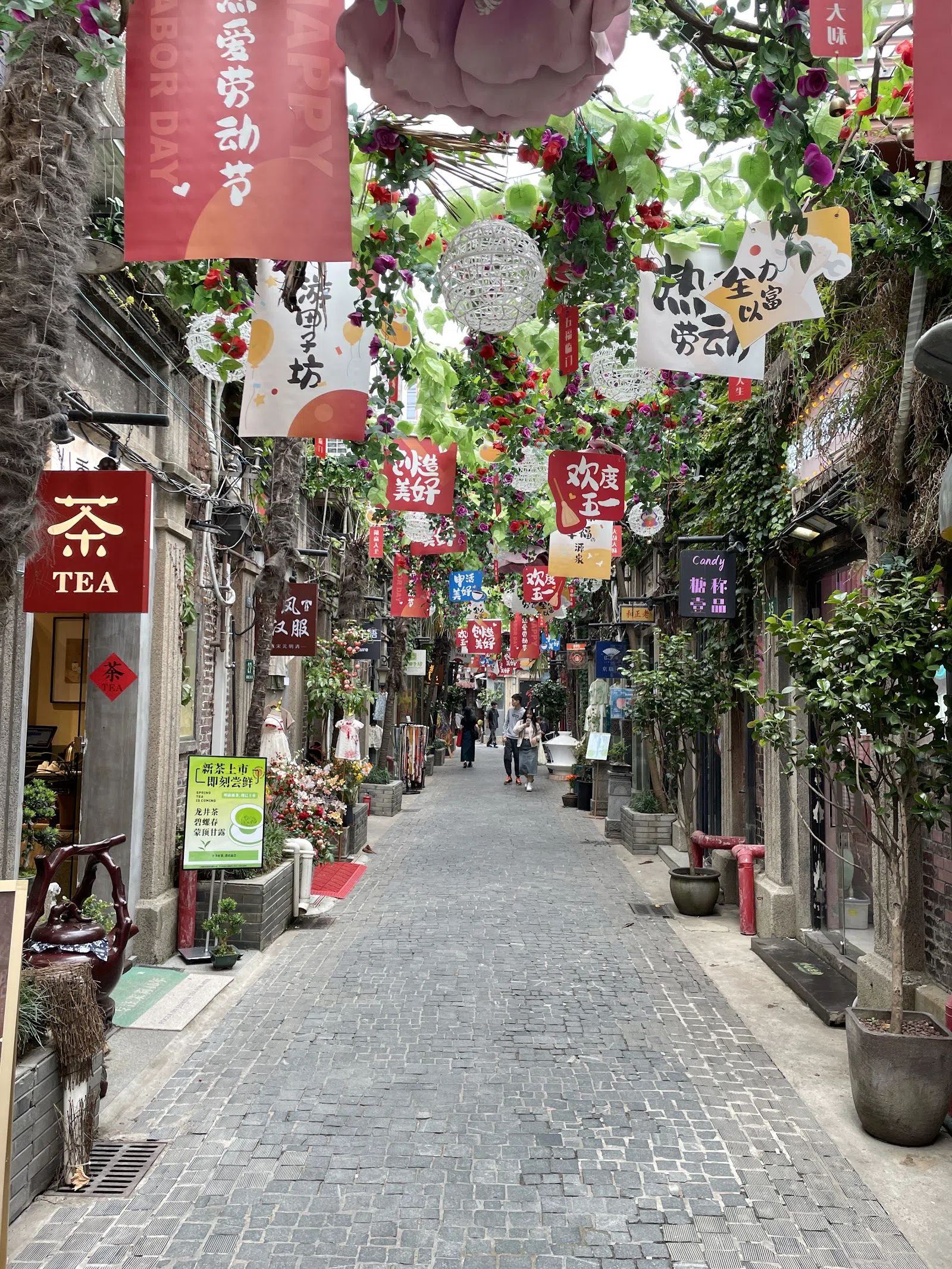
Every visitor is steered toward Tianzifang (southern French Concession), and it deserves its reputation with an asterisk. The lanes are a genuine early-twentieth-century shikumen maze, now packed with tiny galleries, craft shops and cafés — touristy, yes, and often uncomfortably crowded by mid-afternoon. But the maze itself is the real thing, and crucially, people still live in the flats above the shops; look up and you will see laundry, potted plants and air-conditioning units, not stage dressing. There is no door policy and entry is free, with shops and cafés at mid-range prices. The catch is width: the lanes are genuinely tight, so this works best in small clusters. A good guide will split a large party rather than let it clog a junction. Go early — soon after opening — to walk it before the crush arrives.
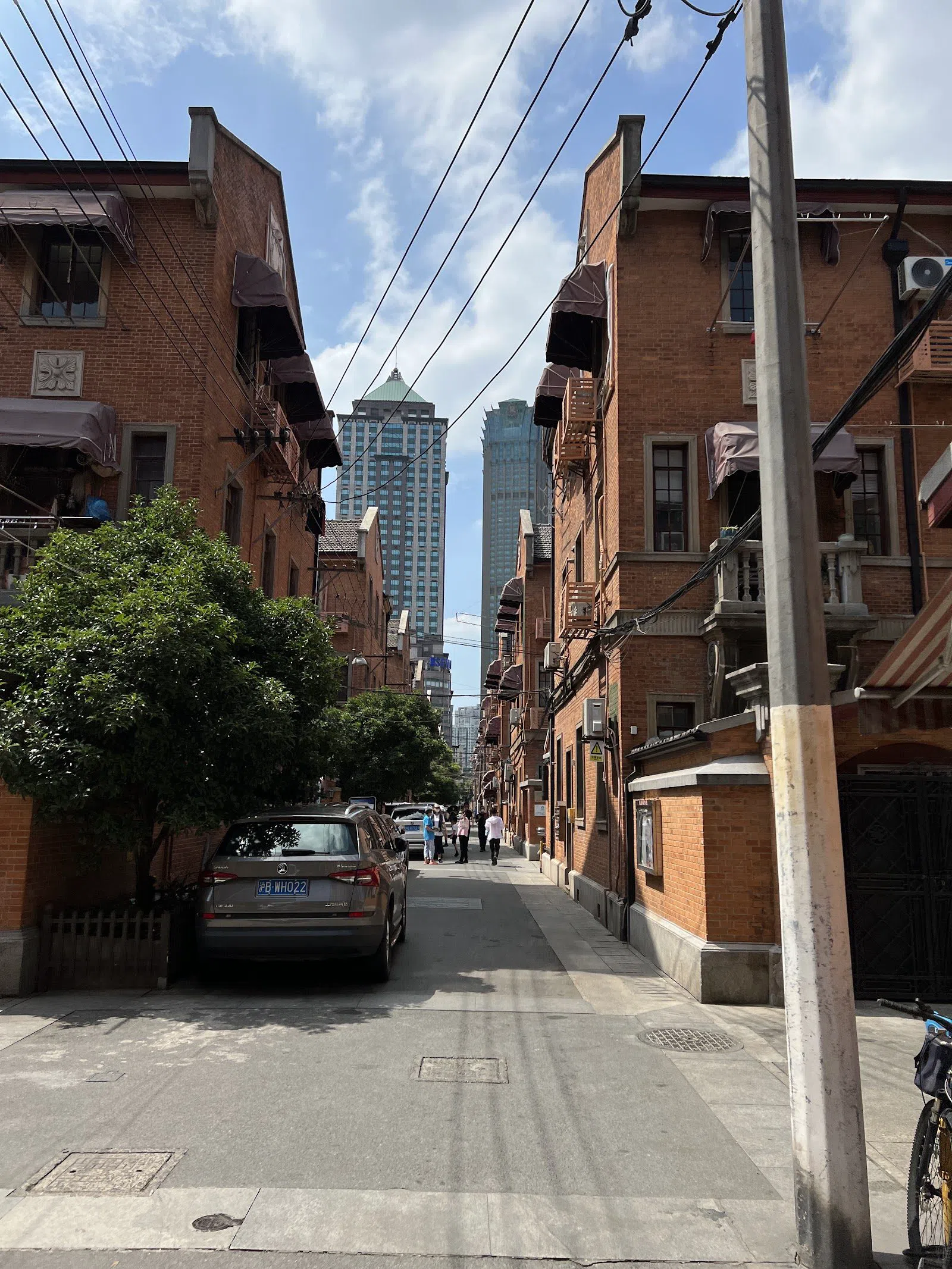
For the opposite experience, seek out Jing'an Villa (Jing'an). This is my “not another Tianzifang” pick: a large, genuinely inhabited longtang sitting improbably in the middle of the shopping district, with no ticket, no signage and no formal welcome. That is precisely the point. There is nothing to buy and nothing staged — just daily life, bicycles, cooking smells and neighbours talking across the lane. It is quietly magical for a couple or a small, respectful group, and actively disrespectful for a big, loud one. Keep your voices down, do not photograph people or their doorways without a nod, and treat it as what it is: someone's home, not an exhibit.
Lanes where people still live
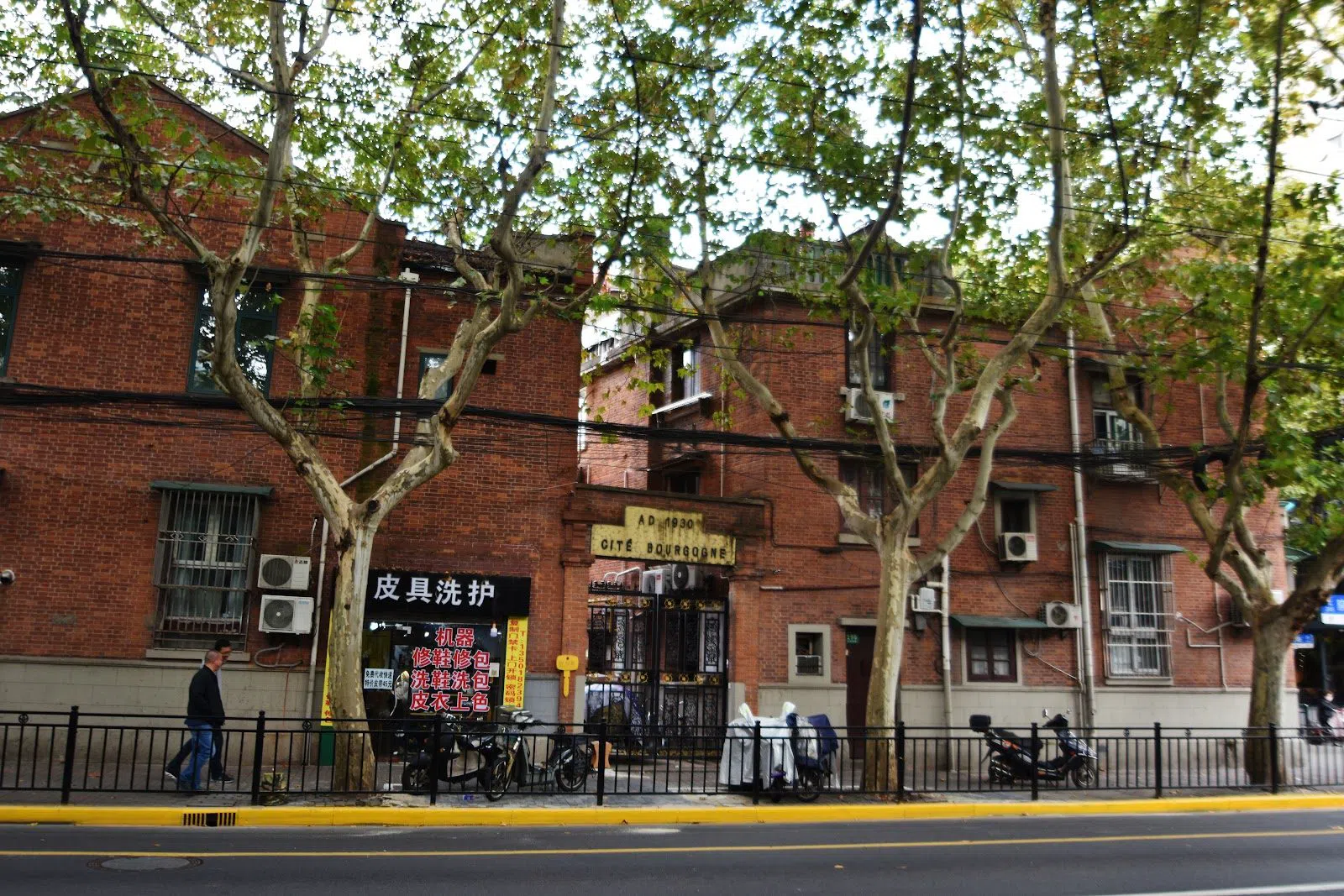
Two lanes reward travellers who want the unvarnished article. Cité Bourgogne (Bugaoli) (French Concession) is a residential shikumen lane from around 1930, still entirely lived-in, with no commerce at all — no café, no shop, no ticket booth. That absence is exactly why it is one of the best places in the city to feel ordinary old lane life: worn gates, shared courtyards, the rhythm of an ordinary afternoon. It is free, and it asks something of you in return. Come only in small, quiet groups, walk through without lingering at private windows, and let the residents' daily life pass uninterrupted.
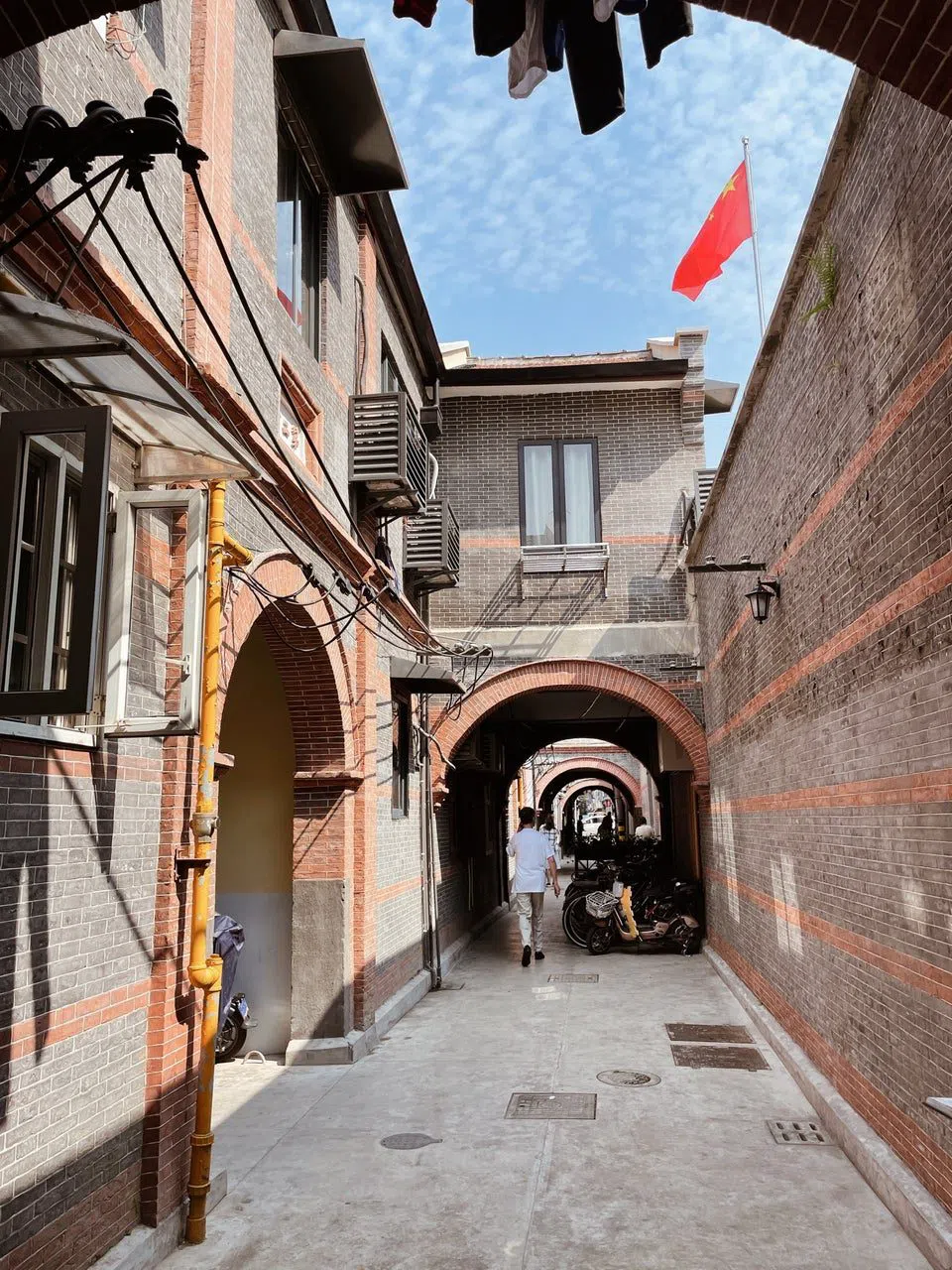
Yuyangli (protected heritage lane) is similar in spirit but carries formal protection: it is a state-recognised residential heritage lane, which means it will not be demolished or malled over the way so many others have been. It is one of the most authentic surviving arched longtangs in Shanghai, with an arched lane entrance of the classic type and a quiet revolutionary-history footnote to its name. There are no facilities and nothing is laid on for visitors; small groups are welcome to walk through respectfully and no more. Between them, Cité Bourgogne and Yuyangli are the closest most travellers will get to the longtang as it actually was — handle them gently.
Slower walks: concession streets and literary lanes
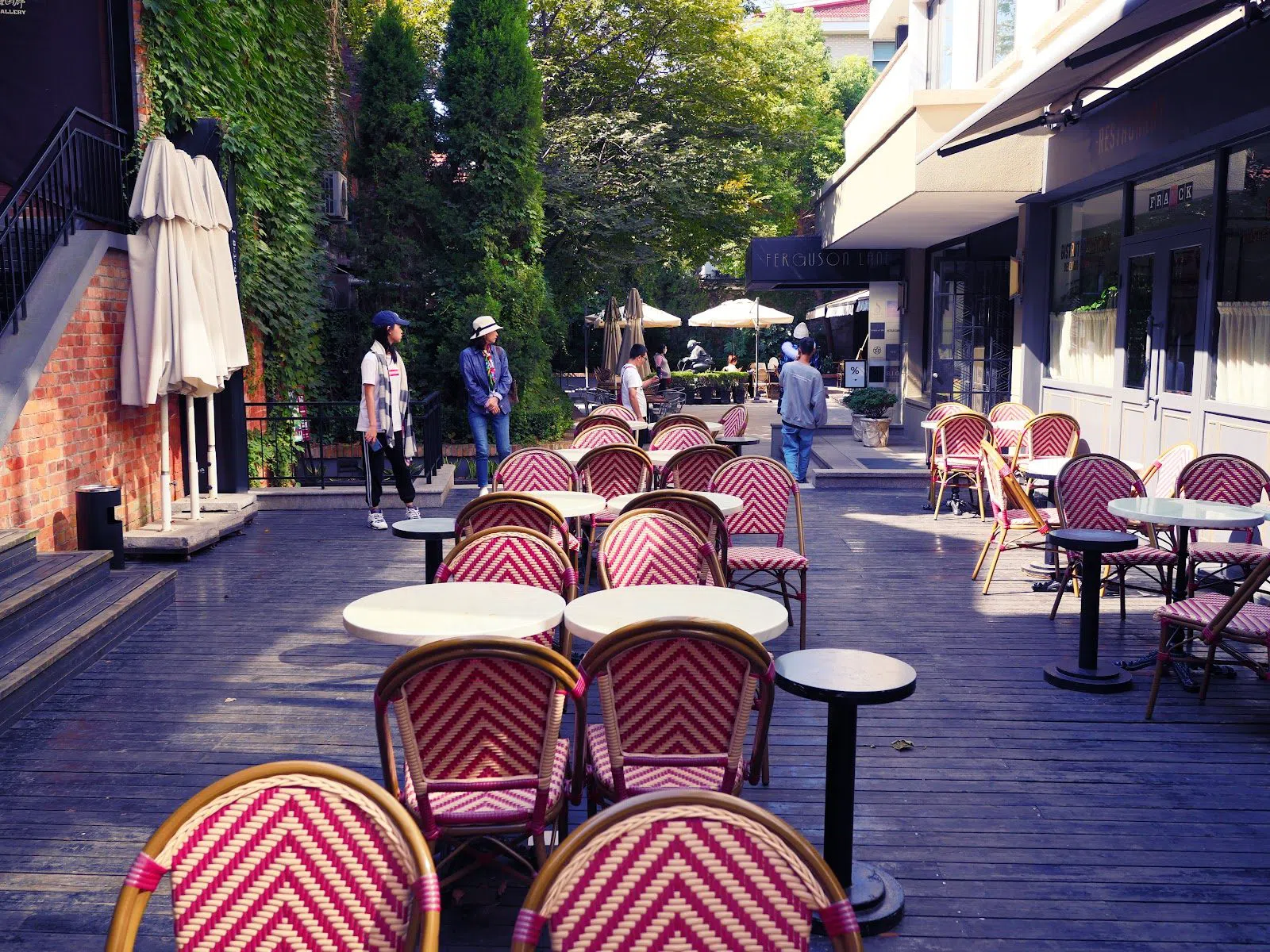
Some of the best lane-walking is really street-walking, along the leafy roads of the former concessions. Anchor a stroll at Ferguson Lane (Wukang Road, French Concession), a small lane-house courtyard of cafés and galleries set just off what is arguably the prettiest walking street in the city. It is a relaxed refuel point rather than a destination in itself: the courtyard is compact, so it suits a modest group, and the cafés take bookings although space is limited. Entry is free; food and drink run mid-to-upper. Use it as the mid-point of a slow Wukang Road amble, looking up at the plane trees and the lane-house balconies as you go.
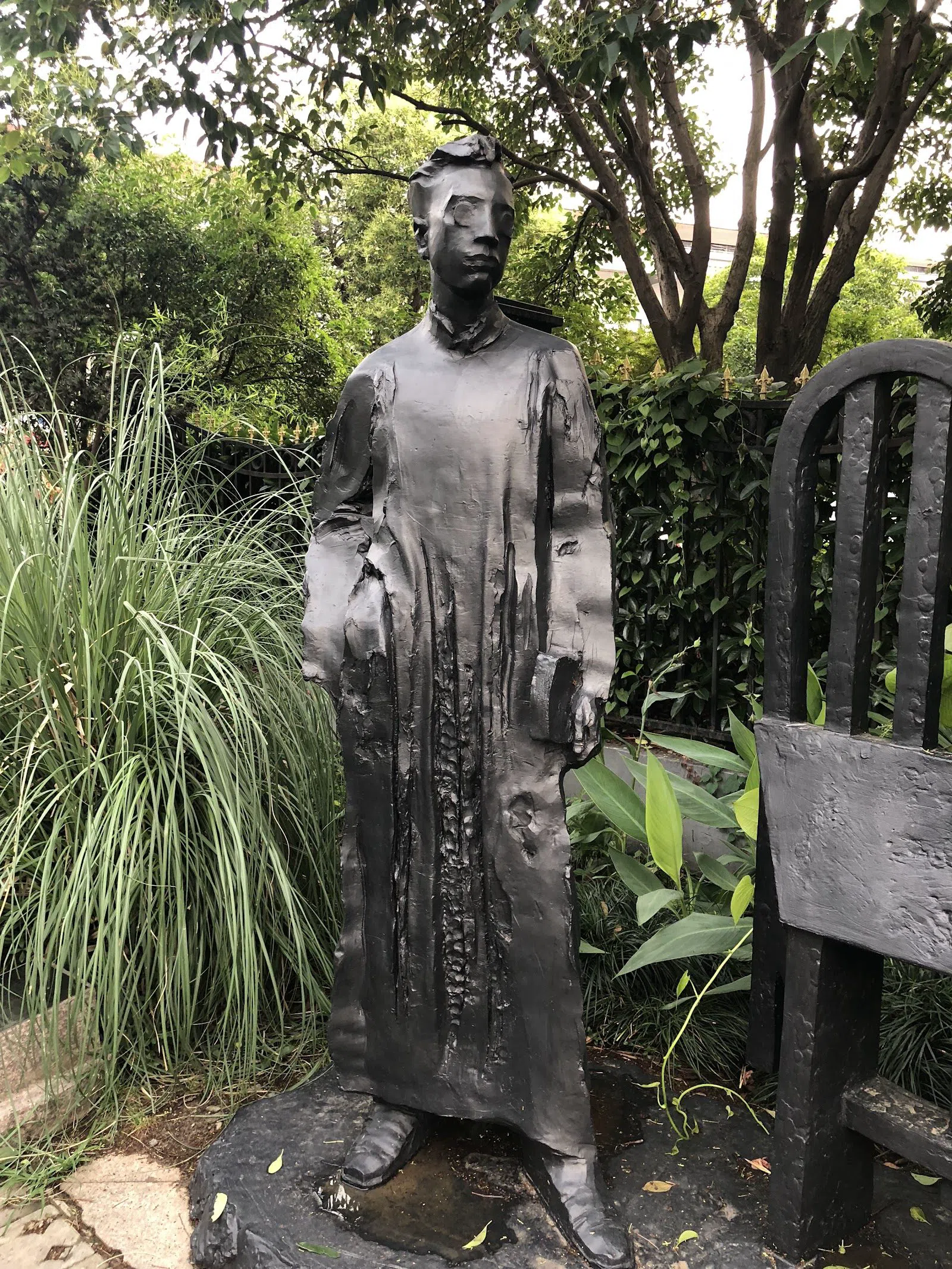
For history with room to breathe, head north to Duolun Road Cultural Street (Hongkou). This is the literary, far less touristed lane experience — a public street that was the heart of 1930s progressive writing, associated with Lu Xun and the League of Left-Wing Writers, and lined with old villas, bookshops and small museums. It is quiet and uncrowded compared with the French Concession honeypots, very easy for a group of any size, and free to walk (a few of the small museums charge a modest fee). If your party wants context and elbow room over shopping and selfies, this is the pick.
The lane preserved as luxury
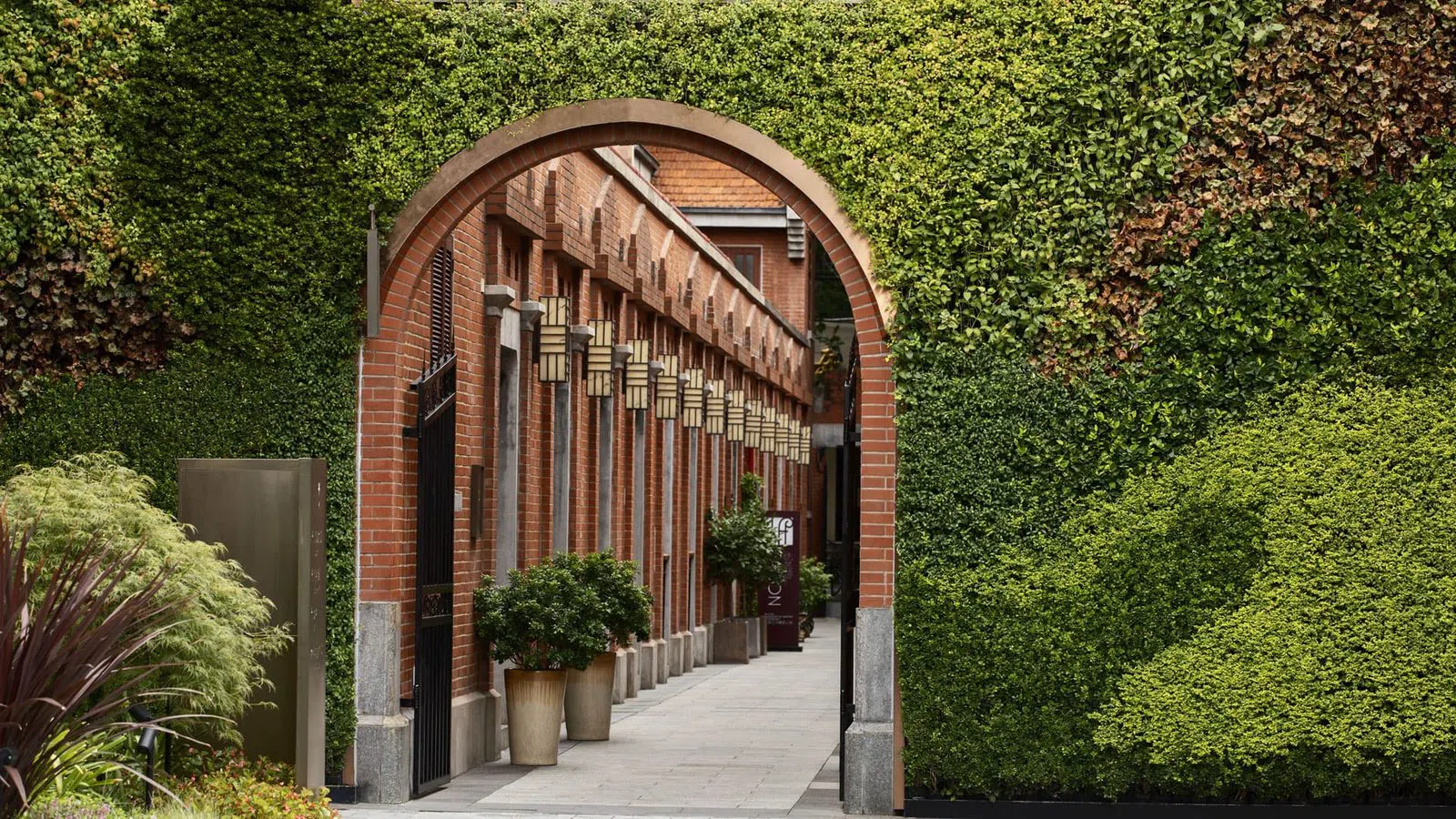
Finally, the archetype saved whole. Capella Shanghai, Jian Ye Li (Xuhui) is a 1930s shikumen block restored not as a museum or a shopping lane but as a gated luxury hotel — a single, complete demonstration of how an entire longtang can be conserved by giving it one owner and one purpose. It is not a public lane, so there is no free wandering; you experience it instead through its restaurants, its spa and The Gallery. Rooms run very high, roughly US$750 and up per night, and dining and drinks are priced to match. Treat it as a Michelin-grade lunch or a considered drinks stop rather than a walk-through, and you will see the most expensive answer to the question this whole guide circles: what is a stone-gate lane worth saving for?
Practical notes for walking the lanes
Getting around. Almost everything here is reachable on the metro, which is cheap, clean and signed in English; Xintiandi, Tianzifang (South Huangpu Road / Dapuqiao), the concession lanes and Duolun Road all sit within a short walk of a station. Between clustered stops, taxis and ride-hailing are inexpensive and quick, but the pleasure of these neighbourhoods is on foot, so plan to link two or three lanes into a single unhurried walk rather than dashing across the city.
Cash and payment. Shanghai runs on mobile payment, and most cafés, shops and restaurants expect it; set up a mobile wallet linked to your card before you arrive if you can. Carry a modest amount of cash in local currency (renminbi, ¥) as a backstop for the small museums and the odd stallholder — the Shikumen Open House Museum entry, for instance, is only around ¥20–30.
Timing. Walk the crowded mazes — Tianzifang above all — in the first hour after opening, and save the residential lanes for a calm late morning or an early evening when daily life is at its most photogenic and least disturbed. Weekdays are gentler than weekends everywhere.
Budget. The lanes themselves are overwhelmingly free; your spend is entirely on food, drink and the one museum ticket. You can do a full day of serious lane-walking for the price of lunch and coffee, or push it as high as you like with a meal at Xintiandi, Sinan Mansions or Capella. For somewhere to stay within walking distance of the concession lanes, start with a Shanghai hotel search and choose a base in the former French Concession or around Xintiandi so the best of the longtang is on your doorstep.
A closing courtesy. Several of these lanes are people's homes, not attractions. In Jing'an Villa, Cité Bourgogne and Yuyangli especially, keep your group small and your voice low, ask before photographing anyone, and remember that the reason these places still feel real is that someone is living the life you came to see.
Before you go
What is the difference between a shikumen and a longtang?
A shikumen is the individual “stone-gate” house — a hybrid of European terrace housing and a Chinese courtyard home, entered through a heavy stone-framed doorway. A longtang (or lilong) is the lane, or the whole lane neighbourhood, that those houses form. In short: the shikumen is the house, the longtang is the street it stands on.
If I only have time for one lane, which should I choose?
For a first visit, pair Xintiandi with the Shikumen Open House Museum — twenty minutes inside the museum makes every restored gate outside legible. If you want something genuinely lived-in instead, choose Jing'an Villa or Tianzifang early in the morning. For 2026's newest attraction, Zhangyuan's East Zone opened on 30 June 2026.
Can I visit the lanes where people still live, and how do I do it respectfully?
Yes — lanes like Jing'an Villa, Cité Bourgogne and Yuyangli are open to walk through, but they are residential, not attractions. Go in a small, quiet group, keep your voice down, do not linger at private windows, and ask before photographing anyone or their doorway. Treat them as someone's home, because they are.
Is Xintiandi worth visiting or is it too touristy?
It is heavily commercialised and architecturally sanitised, so it will not feel authentic — but it is the easiest, safest first stop, especially for a group. The restaurants and bars take large bookings, wandering is free, and it carries real history as the site of the Communist Party's 1921 First Congress. Use it to get oriented, then move on to grittier lanes.
What's new in Shanghai's lane districts for 2026?
Zhangyuan (Zhang Yuan) in Jing'an is the headline: its East Zone First Opening Area opened on 30 June 2026, with full completion planned for 2027. It's a free, group-friendly restored shikumen block that most guidebooks haven't caught up with yet, making it a genuinely current attraction this year.