The Shanghai issue
The Old Jazz Band at the Peace Hotel: Shanghai's 1930s Soundtrack, Still Playing
Six musicians in their eighties still play Glenn Miller nightly on the Bund — the living thread that runs from Jazz Age Shanghai to the city's restless present, and the nine rooms where you can hear it.

By Marit de WildeWalking Shanghai's lanes, one lilong at a time
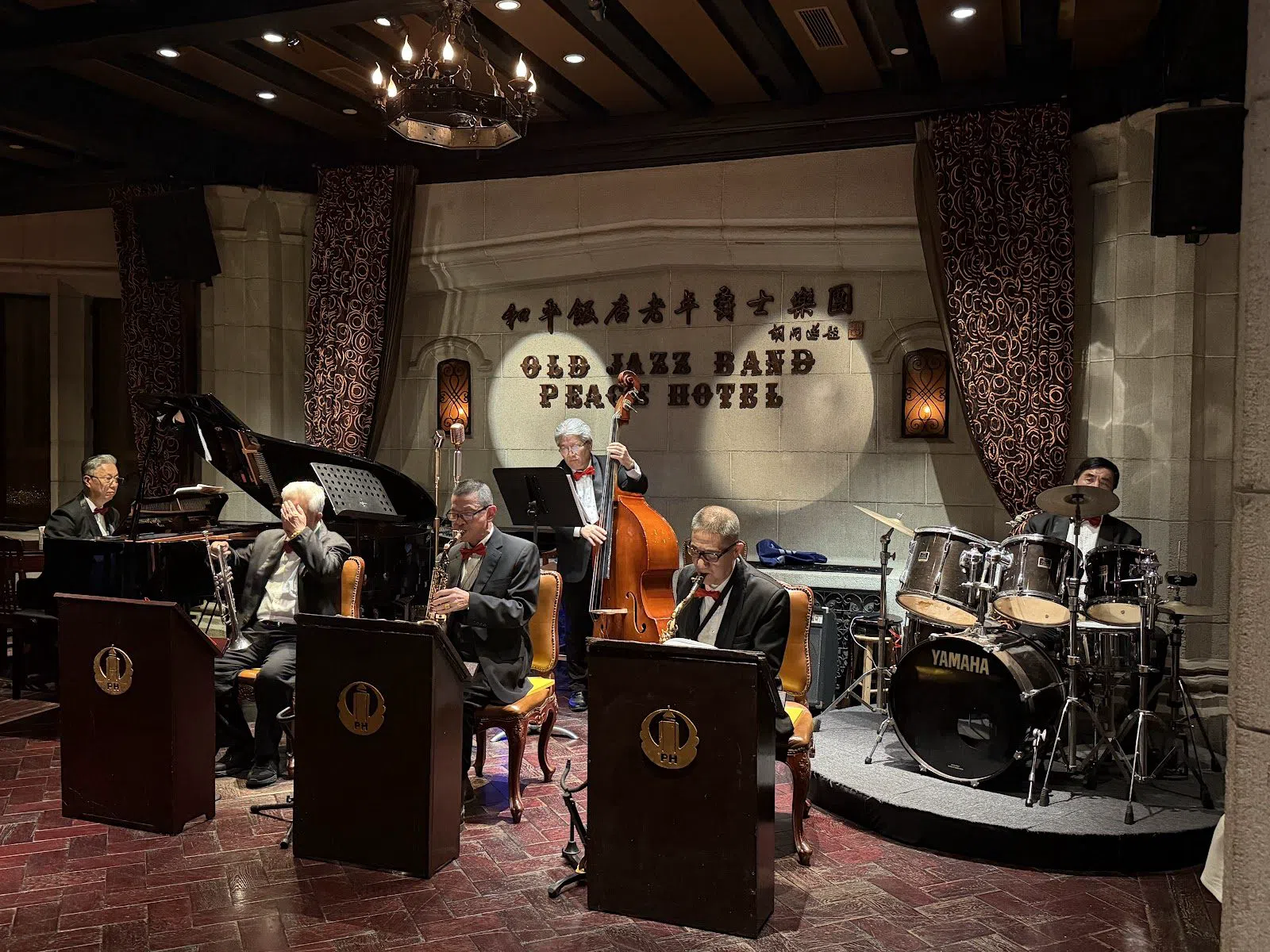
Every night at half past six, in a low-lit art deco bar just off the Bund, six men in bow ties pick up their instruments and play music that was already old when their grandparents were young. Their average age is somewhere north of eighty; between them they have outlasted a war, a revolution, and a skyline that reinvents itself every decade. Shanghai is a city that demolishes and rebuilds without sentiment — and yet it has kept this band as a kind of memory it refuses to let go of.
This guide follows that thread. It starts in the room where it all still happens, moves out to the ballroom where the city never actually stopped dancing, and then into the lanes of the Former French Concession and the modern clubs where a new generation is writing the next chapter. Every venue here is real, checked, and worth your evening — but they suit very different travellers, and knowing which is which before you book will save you a wasted night. For where to base yourself and how the neighbourhoods connect, the wider Shanghai guide is a useful companion.
The room where it started
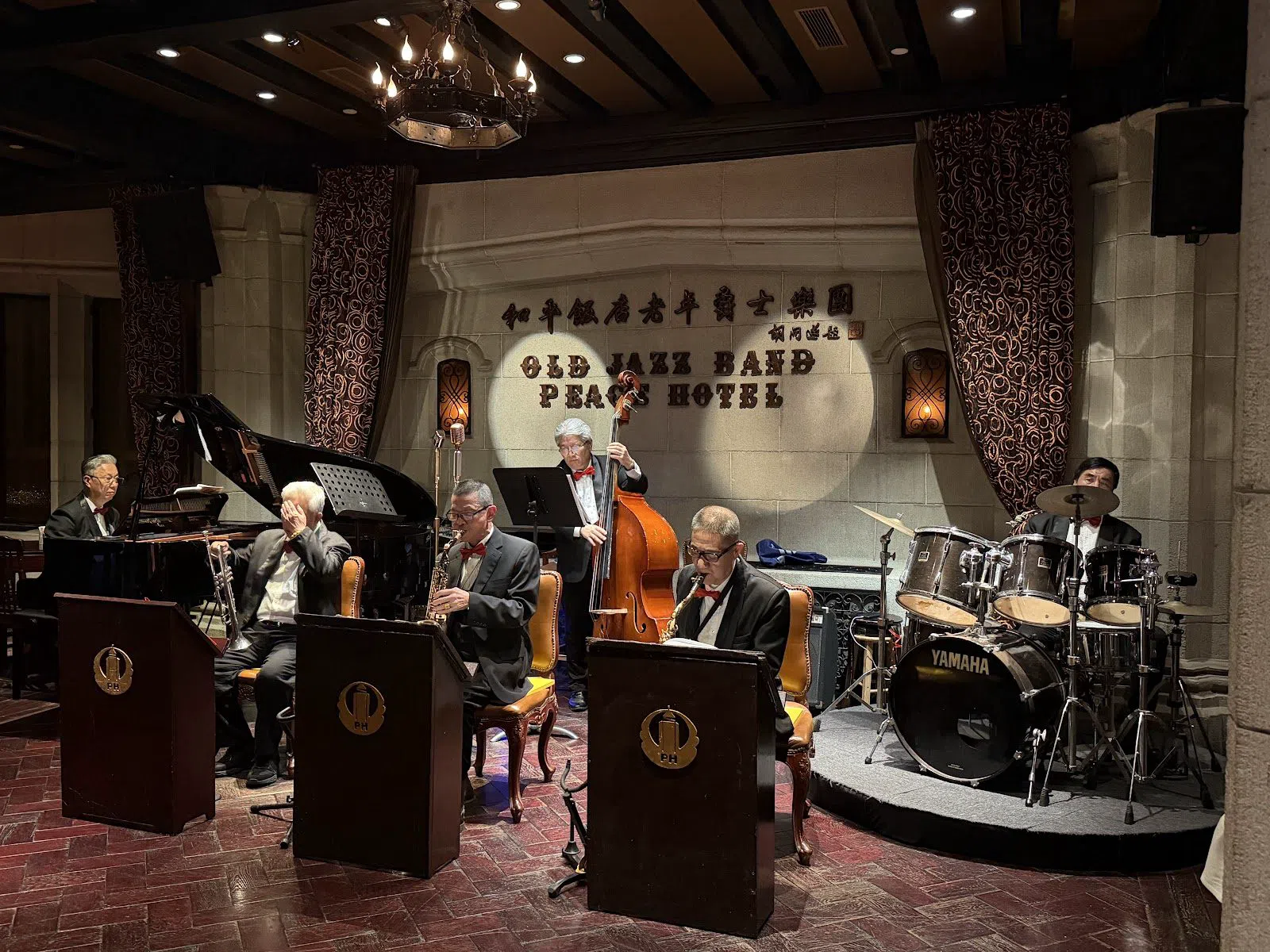
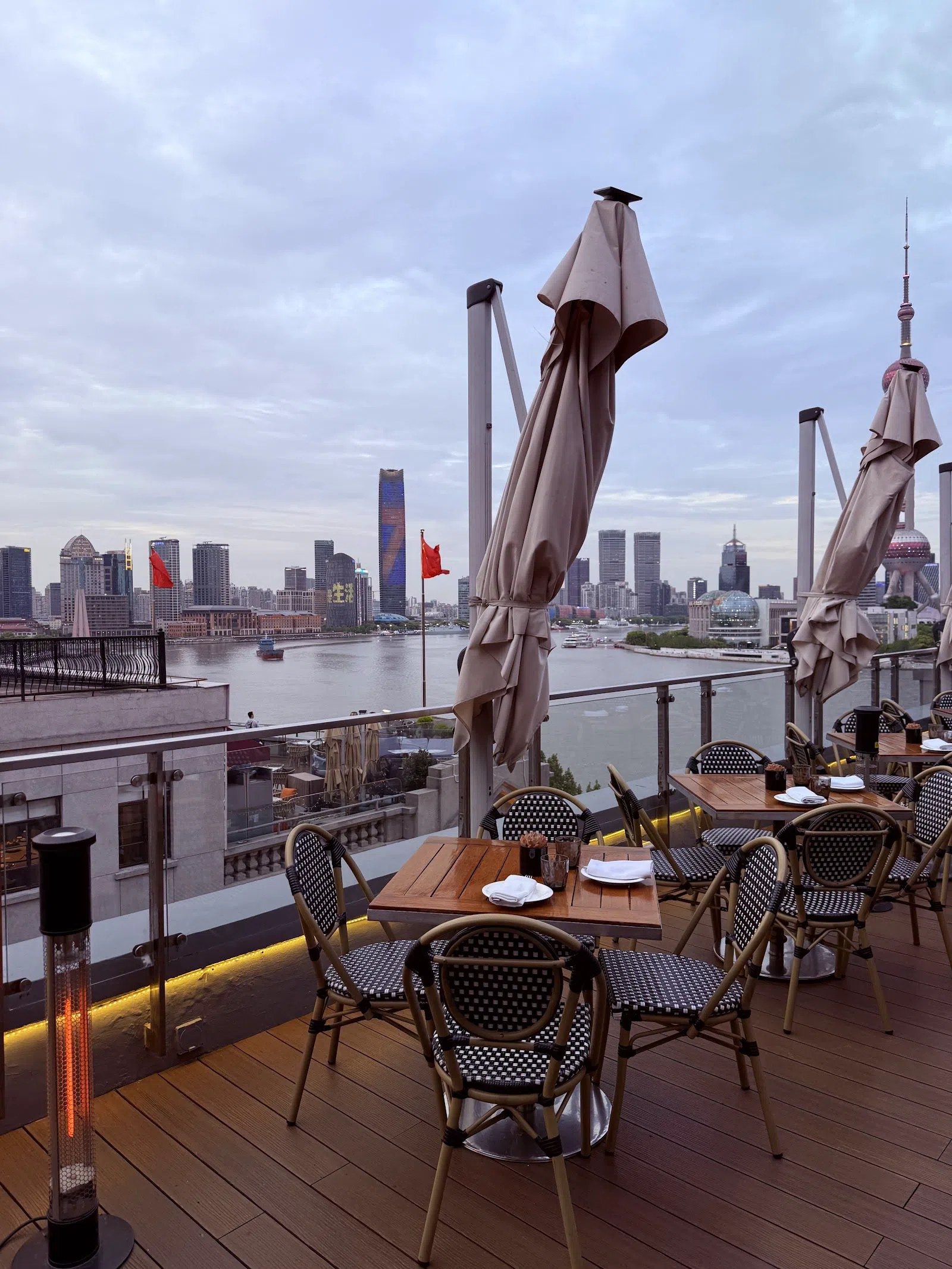
You come to the Bund for the buildings — the granite banking houses that made Shanghai the financial capital of Asia a century ago — but the reason to come after dark sits inside one of them. The Jazz Bar at Fairmont Peace Hotel (the Bund) is home to the Old Jazz Band, a six-piece that has been playing 1930s standards on this stretch of the river, in one form or another, since the Jazz Age itself. The line-up has earned a place in the record books for its members' combined age, and the repertoire is exactly what you hope: Glenn Miller, big-band swing, the slow standards that once drifted out of these same windows over the water.
The nightly set begins at 6:30pm, and this is the single most important thing to know: the tables fill fast and reservations are strongly advised. If you turn up cold on a weekend expecting a seat, you will likely be standing at the back or turned away. Book ahead — and if you are a group, book well ahead and say how many you are, because the good tables near the band go early. Budget for a cover or minimum spend in the region of ¥150–320 per person before drinks; this is a ¥¥¥ room and priced like the piece of history it is.
Who does it suit? Almost everyone, which is rare. Couples get the romance of it; groups get a genuine occasion; older travellers get music they actually grew up with, played by people who remember it first-hand. Go in with the right expectation — this is nostalgia performed with real craft, not a cutting-edge jazz gig — and it delivers completely. Dress a little for it. The room rewards the effort.
Plan your Shanghai trip
Live prices from our booking partners.
Free cancellation on many rooms. We may earn a commission when you book.
Where the old city still dances
If the Peace Hotel is the city's memory sitting still, Paramount (Jing'an) is that memory up on its feet. Known in Chinese as Bailemen (百乐门), this 1933 landmark was the grandest ballroom in the East during Shanghai's first golden age, and after a careful restoration it has gone back to doing exactly what it was built for. The sprung dance floor is real, the big band plays Old Shanghai standards, and — this is the lovely part — ordinary people still come to dance.
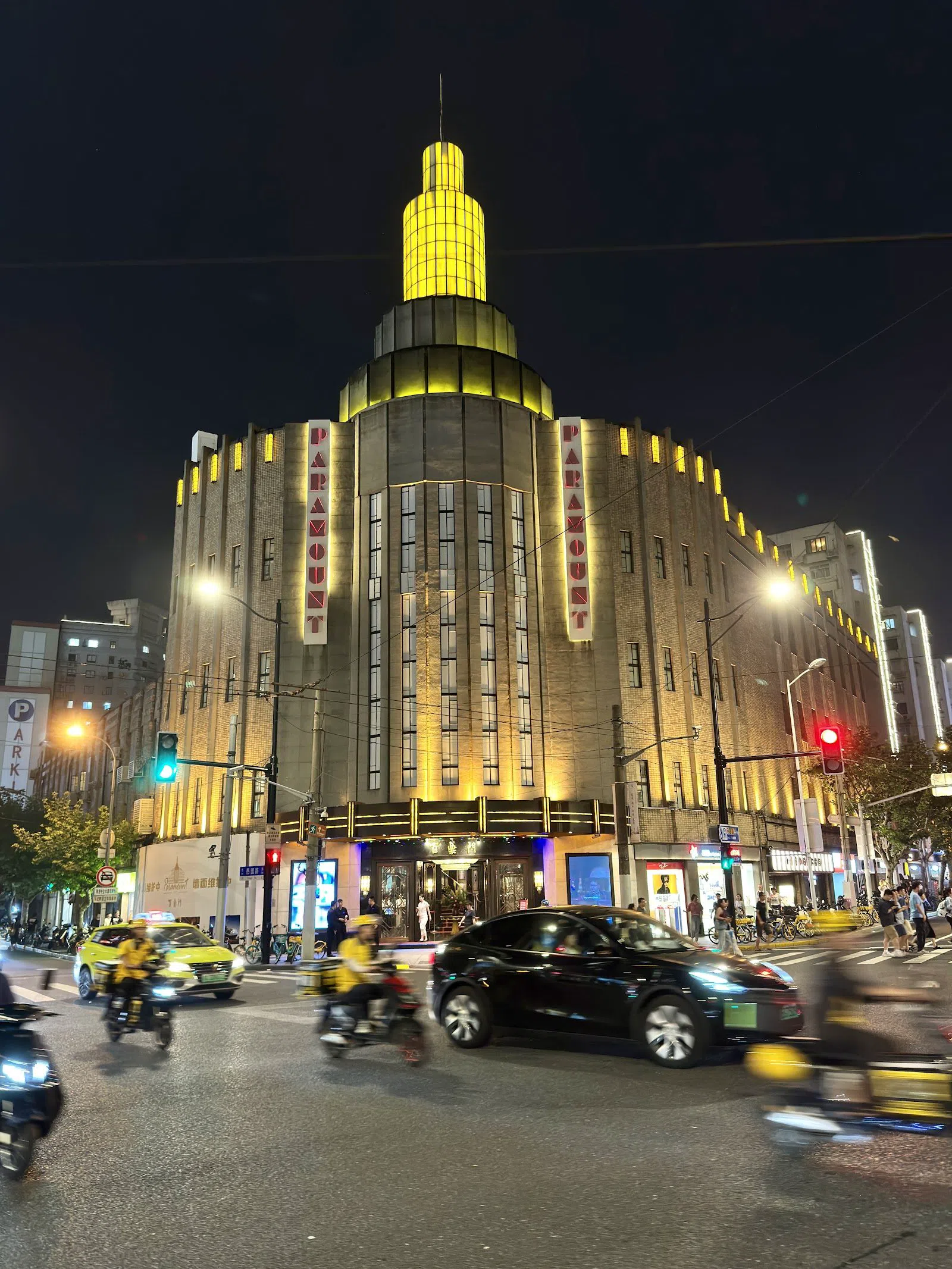
The afternoon tea dances, roughly 2–5pm, are the signature. This is not a show you watch; it is social dancing you are welcome to join, foxtrots and waltzes and the odd tango, couples of every age moving with the unhurried competence of people who have done this for decades. Evening big-band sets bring more of the same energy after dark, and there are private and karaoke rooms on each floor if your group wants its own space. It is genuinely group-friendly, and the tea-dance packages are gentle on the wallet at around ¥150–300 per person — a ¥¥ evening for a grand room.
Two honest warnings. The dress code is smart-casual and it is enforced, so leave the shorts and flip-flops at the hotel. And Paramount does not serve beer — the drinks lean to tea, spirits and soft options, in keeping with the ballroom tradition. Come for the dancing and the room, not for a pint.
The living scene, not the museum
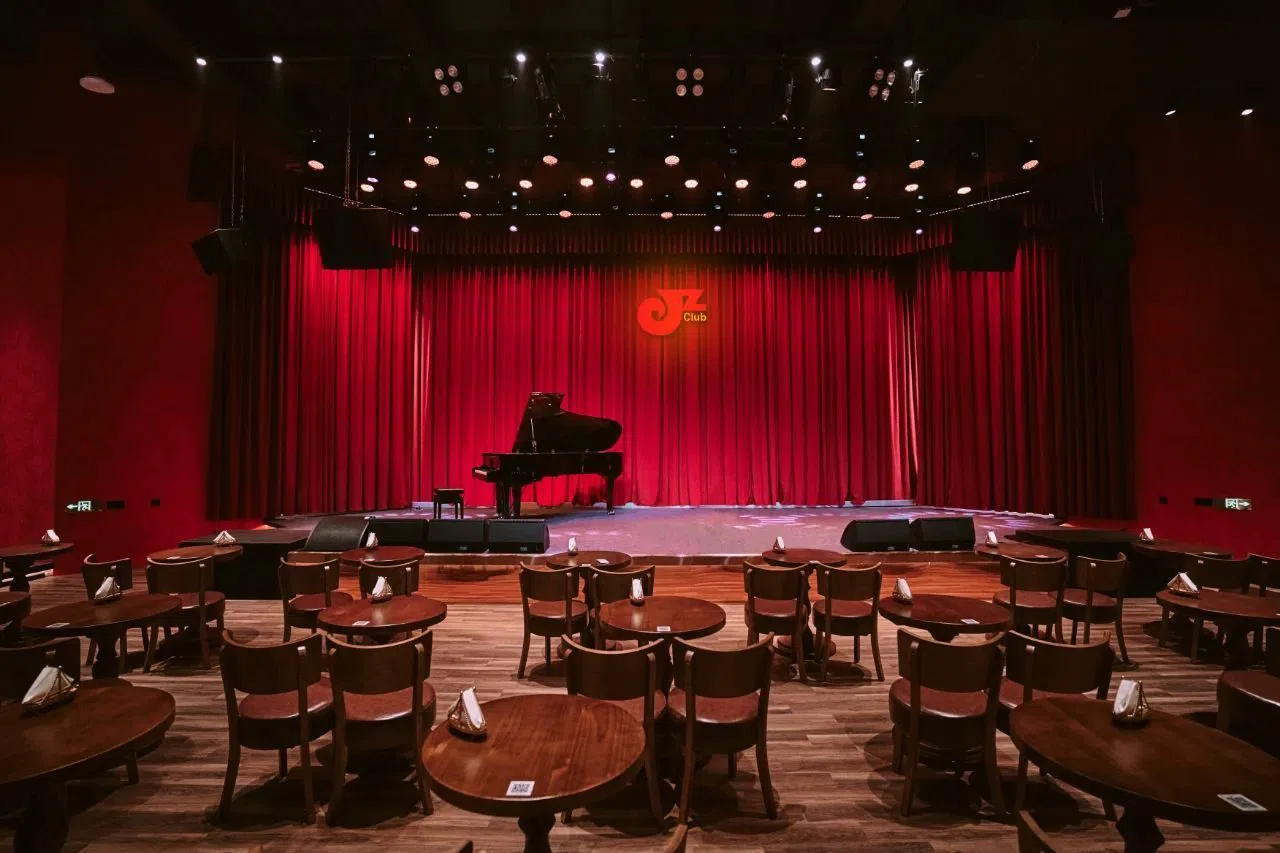
Shanghai's jazz story would be a taxidermy exhibit if it ended at the heritage rooms. It doesn't. JZ Club (Hengshan 8, Xuhui) is the engine of contemporary Chinese jazz — the club that grew the players, launched the JZ Festival, and gives the city a modern counterweight to the Peace Hotel's nostalgia. This is where you go to hear where the music is now rather than where it was: sharp local musicians, touring names, and a room that takes its listening seriously.
There are usually two shows most nights, around 7:30pm and 9:30pm, and it works well for groups — reserve a table or a booth, especially at the weekend. Cover runs roughly ¥80–150 plus drinks, squarely ¥¥. If you only have one night and you want to understand the living scene rather than the historical one, this is the room.
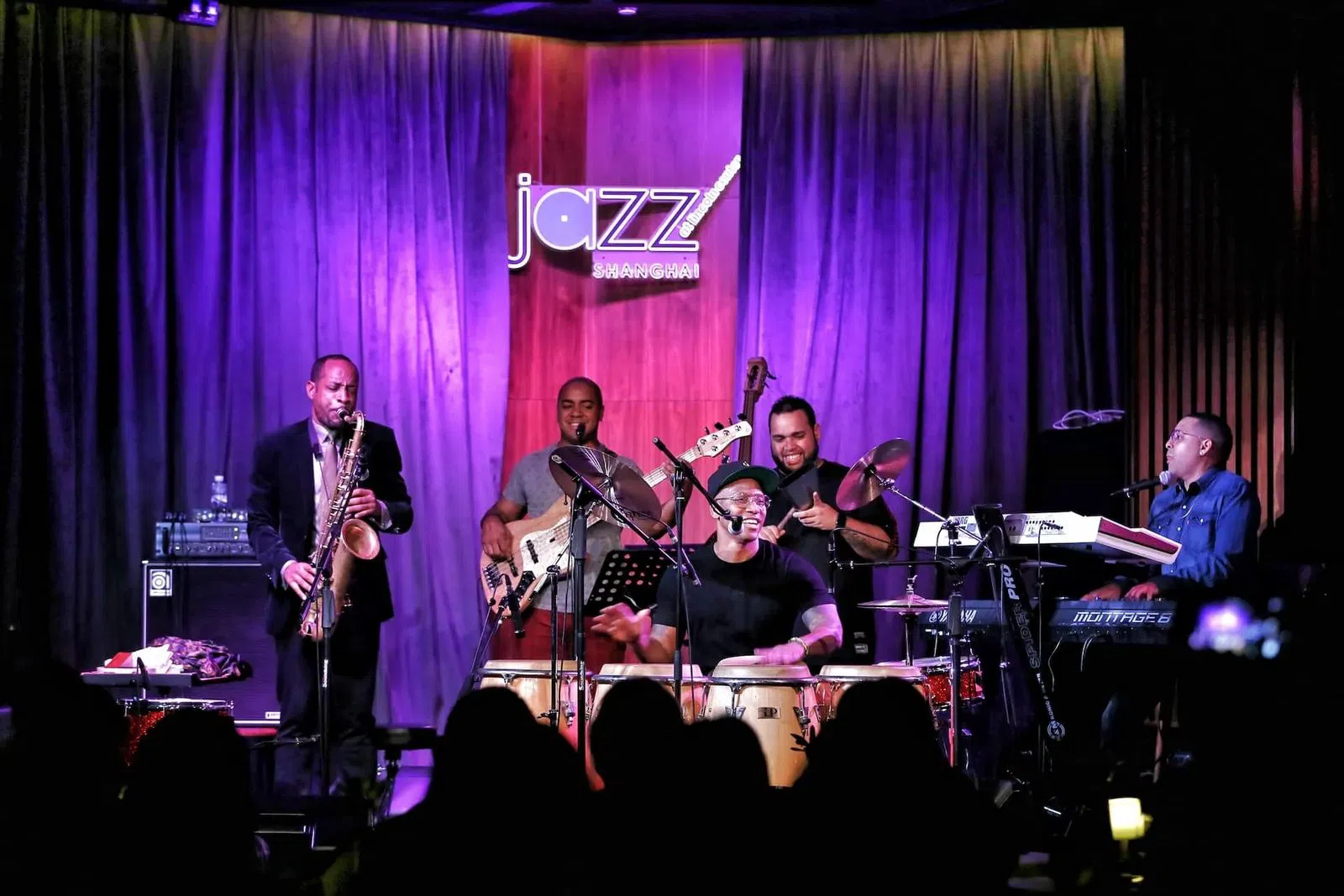
A few steps back toward the river, Jazz at Lincoln Center Shanghai (the Bund) is the most globally legible name on this list — the New York institution's only outpost in Asia, and it programmes to that standard. Expect a robust calendar of residencies and touring international acts, a polished room, and pricing to match: tickets or minimum spend of roughly ¥180–400 depending on who is playing, firmly ¥¥¥. It is thoroughly group-ready, with table and mezzanine reservations, and it is the safe choice when you want a guaranteed high-quality set with a name you recognise. Check the calendar before you book — the experience swings with the act.
The French Concession after dark
Much of old Shanghai's night life lived not on the Bund but in the leafy lanes to the west, in the Former French Concession, where the villas and plane trees still make the most atmospheric quarter in the city. Two rooms here carry that inheritance in very different ways.
Heyday (Former French Concession) is the city's most convincing evocation of the Jazz Age — a vintage cocktail bar where the 1920s and '30s are conjured through craft drinks and, at weekends, a full band and touring acts. It is small, and that is the point and the catch: reservations are essential, and the space is best for couples or small groups rather than a party of ten. Cocktails run around ¥100 and up; there is no big cover, so this is an affordable ¥¥ night out with a very high atmosphere-per-yuan return. If you want the 'narrow lanes where the nightclubs used to hum' made present, this is the closest you will get.
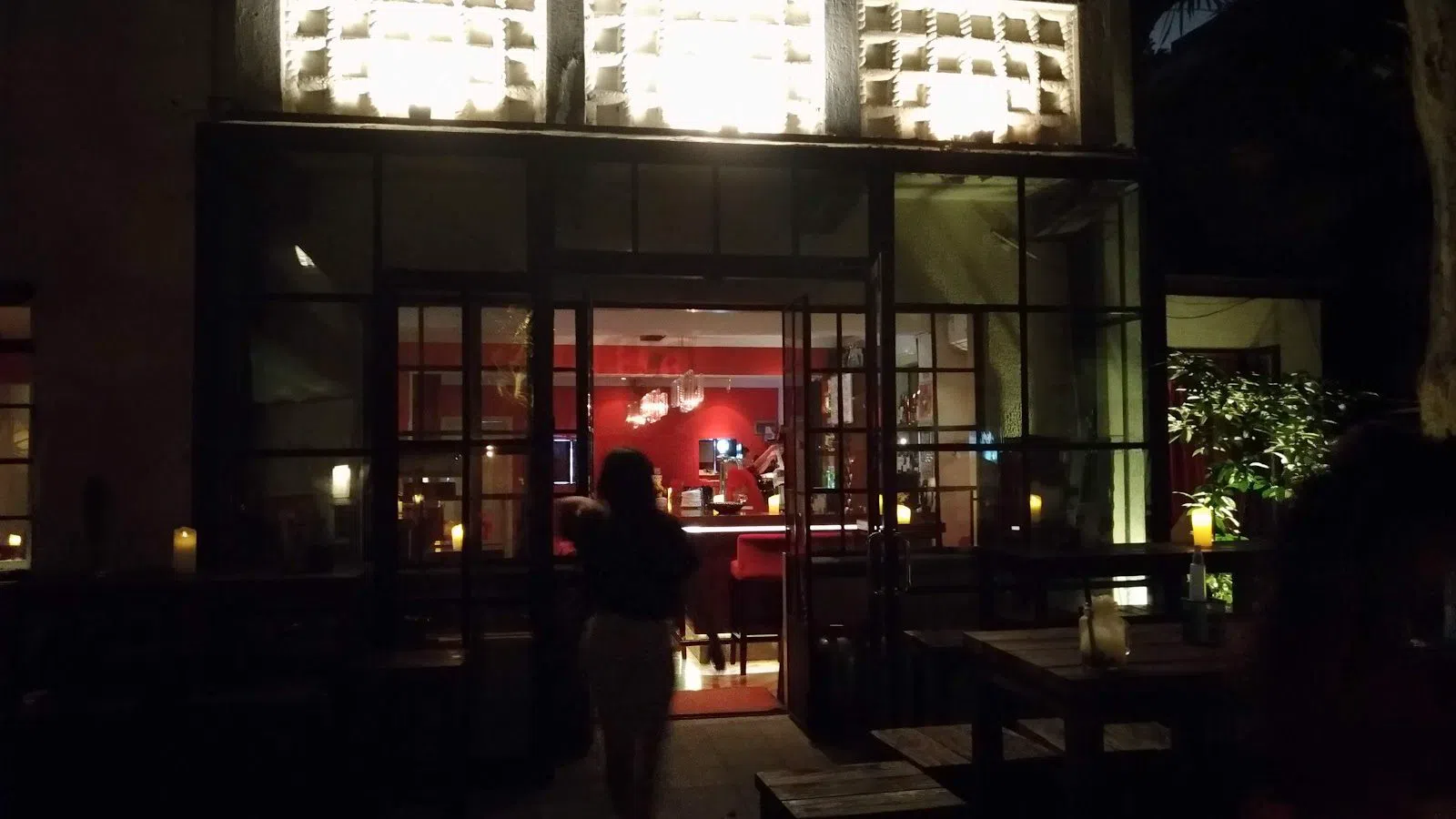
Cotton's (Xinhua Lu, Changning) takes the same neighbourhood inheritance in a gentler direction — a garden-villa bar that channels the domestic elegance of old French Concession life, with live jazz several nights a week. There is a garden and multiple rooms, it is relaxed and genuinely group-friendly, and drinks land around ¥70–120. This is jazz where old Shanghai actually lived, rather than where it performed: less occasion, more easy evening among the plane trees. It suits a mixed group who want music without a formal show, and couples who want somewhere unhurried.
The survivors and the underground
Not every thread of Shanghai's live-music story runs through art deco. Some of it runs through scrappier, more recent rooms — and they matter, because they prove the scene is alive rather than embalmed.
House of Blues & Jazz (the Bund area) is the veteran here: a Bund institution founded in the 1990s, with residency bands six nights a week playing swing and blues, and a warm, tourist-friendly welcome to groups who reserve. Min spend and drinks land around ¥100–200 per person, a solid ¥¥ evening. One important caveat before you send anyone across town: its heritage building is entering a restoration phase, so confirm the current address directly when you book — do not assume the location you read about online is where it is operating tonight.
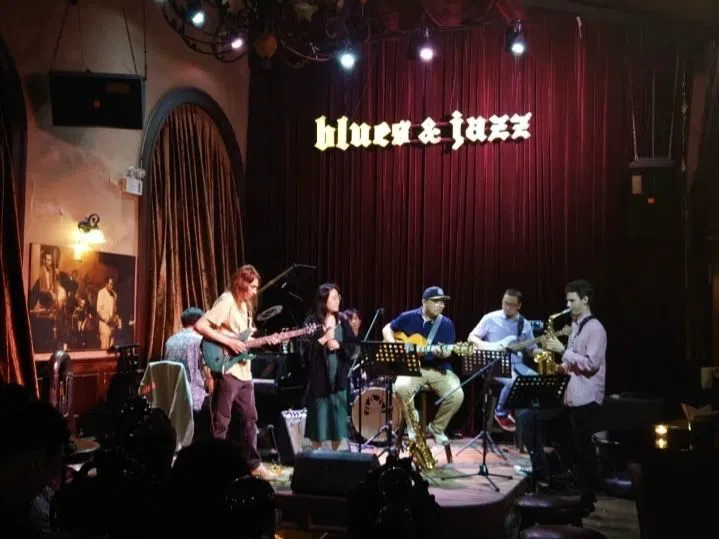
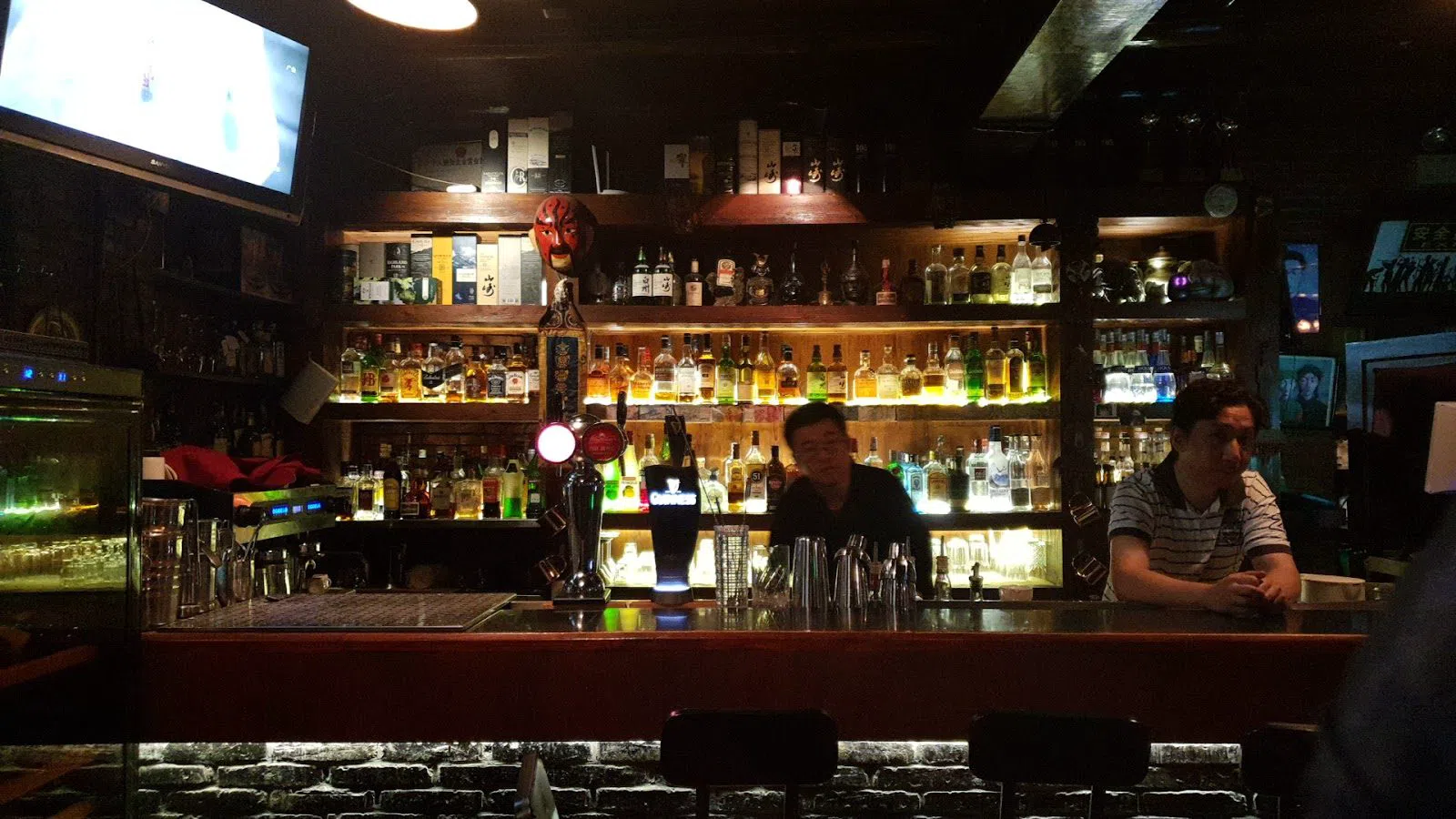
Time Passage (Changning, around Huashan Road) is the opposite end of the spectrum entirely — a dive live-music bar that has survived from the 1990s expat scene, cheap, unpretentious, and completely un-precious. Live bands play at weekends, beers run roughly ¥30–50, and the cover is minimal. It is informal and group-friendly in the way a good pub is: you don't book, you just go, and you stay longer than you meant to. This is the ¥ end of the list, and it is proof that Shanghai's live-music thread runs well past the ballrooms.
For the true believers, OKOK (Former French Concession / Jing'an fringe) is the scene's unsung hero — a snug basement speakeasy where fusion and jam culture keep the music restless and current. Shows run five nights a week and often dissolve into late jams, the cover is low, and drinks sit around ¥50–90. It is small, so it is best for small groups, and it is where you go when you want the music now, unpolished and evolving. Another ¥ room, and the one most likely to surprise you.
How to plan your nights
A sensible three-night sequence: the Old Jazz Band at the Peace Hotel first, for the historical anchor; a Paramount tea dance or a JZ Club set on the second night, for the two live traditions; and Heyday, Cotton's or OKOK on the third, to feel where the music breathes today. If you have only one night, choose by mood — heritage and occasion point to the Peace Hotel, the living scene points to JZ Club.
Getting around. The Metro is fast, clean, cheap and signed in English, and it will get you close to almost everything here — the Bund rooms cluster near the East Nanjing Road and Nanjing Road stations, and the French Concession venues are a short ride or taxi apart. Services stop around 10:30–11pm, so for the late jams at OKOK or a long night at Time Passage, plan on a taxi or a ride-hail app home. Taxis are plentiful and metered; have your destination written in Chinese characters to hand to the driver.
Cash and payment. Shanghai runs overwhelmingly on mobile payment (Alipay and WeChat Pay), and both now let overseas visitors link an international card — set this up before you arrive, as it smooths everything from the Metro to your bar tab. Carry some cash in local currency as a backstop, particularly for the smaller ¥ rooms.
Timing and booking. Book the Peace Hotel, Jazz at Lincoln Center and Heyday ahead — these are the ones that turn people away. The Old Jazz Band starts at 6:30pm sharp; arrive early for a good table. Paramount's dress code is enforced, so dress smart-casual, and remember it serves no beer. For House of Blues & Jazz, confirm the address at the point of booking because of the restoration. Weekends bring the fullest line-ups almost everywhere, but also the fullest rooms — midweek is quieter and easier to walk into.
Budget. Set expectations by room: the Bund's marquee venues (Peace Hotel, Jazz at Lincoln Center) are a ¥¥¥ splurge at ¥150–400+ per head before drinks; JZ Club, Paramount, Heyday, Cotton's and House of Blues & Jazz are mid-range ¥¥ evenings; and Time Passage and OKOK are cheap-and-cheerful ¥ nights where a good time costs very little. A first-timer's ideal split is one splurge, one mid-range, one dive — the whole story of a city, told in three nights of music.
When you have your nights mapped, sort where you're sleeping: a base near the Bund or in the Former French Concession puts most of these rooms within a short ride. Start your Shanghai hotel search and build the evenings around it.
Before you go
What time does the Old Jazz Band play at the Peace Hotel, and do I need to book?
The nightly set at The Jazz Bar at Fairmont Peace Hotel begins at 6:30pm. Reservations are strongly advised — tables fill fast, especially at weekends and for groups, so book ahead and specify your party size to get a table near the band. Expect a cover or minimum spend of roughly ¥150–320 per person before drinks.
Can I actually dance at the Paramount ballroom, or is it just a show?
You can dance. Paramount's afternoon tea dances (about 2–5pm) are participatory social dancing on a real sprung floor, with a big band playing Old Shanghai standards. The dress code is smart-casual and enforced, and note that no beer is served. Tea-dance packages run around ¥150–300 per person.
Which Shanghai jazz venue is best for a modern, high-quality gig rather than nostalgia?
JZ Club (Hengshan 8) is the engine of the contemporary scene, with two shows most nights and sharp local and touring players. Jazz at Lincoln Center Shanghai, near the Bund, offers international-standard programming and touring acts. Check either calendar before booking, as the experience depends on who is playing.
Are these jazz venues suitable for groups, or better for couples?
It varies. The Peace Hotel, Paramount, JZ Club, Jazz at Lincoln Center, Cotton's, House of Blues & Jazz and Time Passage all handle groups well. Heyday and OKOK are small and best for couples or small groups. For any group, reserve ahead and state your numbers.
How do I pay and get around Shanghai's nightlife districts at night?
Shanghai runs on mobile payment (Alipay and WeChat Pay), which now let overseas visitors link an international card — set this up before arrival and carry some local currency as backup. The Metro is cheap and fast but stops around 10:30–11pm, so plan on a metered taxi or ride-hail for late jams at OKOK or Time Passage.