The Shanghai issue
How Shanghai Went From Pre-War Sedans to Driverless Cabs
One district on the far end of Line 11 holds a century of Chinese driving: museum sedans, a Grand Prix circuit, a kart track and a robotaxi that pulls over with nobody at the wheel.

By Marit de WildeWalking Shanghai's lanes, one lilong at a time
On the fourth floor of an exhibition hall in Anting, the whole of Shanghai's car country lies under glass in miniature: every test loop, every roundabout, every factory shed. Twenty minutes' walk away, a black SH760 saloon that once carried Party officials through a city with almost no private cars sits polished under museum spotlights. Outside, on a wide suburban avenue built for traffic that hasn't arrived yet, a white hatchback with a sensor turret on its roof indicates, pulls over and opens its doors, with nobody behind the wheel.
Anting keeps the whole story in one district
Most cities scatter their motoring history across a dozen postcodes. Shanghai concentrated its. Anting, at the northwestern edge of Jiading district and the far end of Metro Line 11, was built out in the early 2000s as an Automobile City: assembly plants, a research campus, proving grounds, a Grand Prix circuit and, unusually for an industrial zone, the cultural apparatus to go with them. A museum, a model exhibition, a park, a kart track and a drive-in cinema all sit within a few kilometres of each other, roughly an hour from the Bund by metro.
This matters for how you plan. You can do the entire arc of this article, sedans to robotaxis, in one long day out of the centre, and the rest of your trip stays free for the things covered in our wider Shanghai guide. What you should not expect is charm. Anting is a working district with wide roads, big blocks and long gaps between buildings. Its appeal is that it put its own history on display without prettifying it, and that the future part of the story is happening on the same streets rather than in a concept video.
Plan your Shanghai trip
Live prices from our booking partners.
Free cancellation on many rooms. We may earn a commission when you book.
The museum that anchors everything
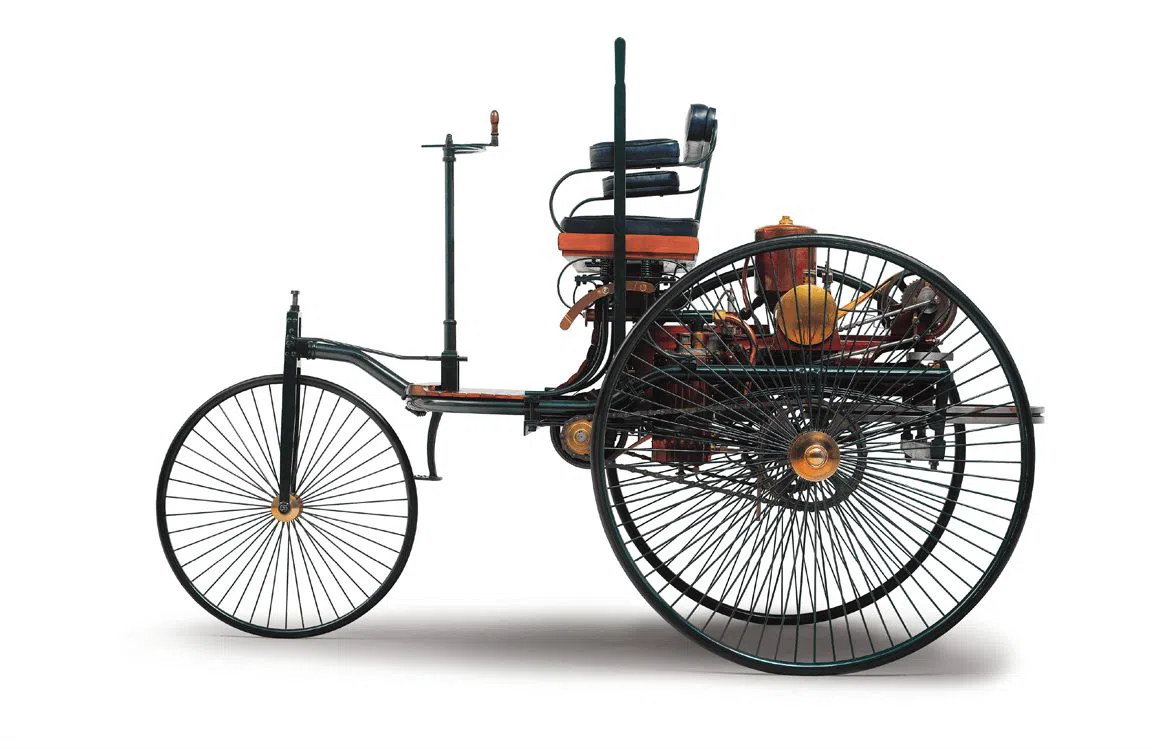
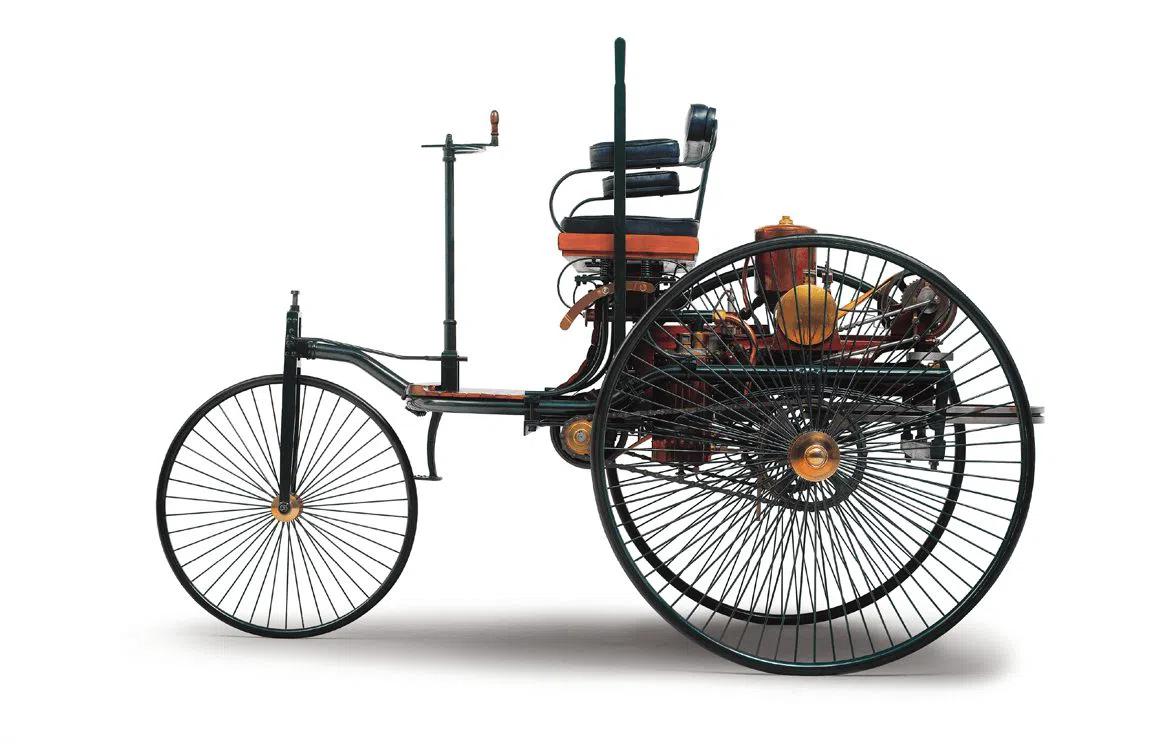
Shanghai Auto Museum (Anting, Jiading) is China's first museum dedicated to the car, and it is the spine of this trip. Around 100 vehicles from some 50 marques are laid out over several floors, moving from the earliest European machines through to the domestic industry that grew up in this district. The car most visitors come away talking about is the Shanghai SH760, the state saloon that carried officials around a city where private ownership was essentially unheard of, decades before anyone imagined a driverless Pudong.
Entry is ¥60 for adults and ¥40 for children, and it is closed on Mondays. Small parties can simply walk in; there is no booking friction and no queue outside of holidays. Groups are a different matter: organised bookings and guided tours go through the phone line (021-6955-0055), and you should use it, because school and corporate groups are a large part of the museum's weekday traffic. If you want the halls quiet, aim for a weekday afternoon rather than a mid-morning slot, when two coaches can arrive at once. Give it two hours; three if you read every panel.
A model of the district before you go out and drive it
Before you walk the real streets, spend ten minutes at Shanghai International Automobile City Miniature Wonderland (fourth floor of the Shanghai Auto Exhibition Center, Anting). It is an obsessively detailed scale landscape of exactly the place you are standing in, and it does something no map manages: it makes the geography of Anting legible at a glance, so you understand how the circuit, the plants, the museum and the test tracks relate to each other. Tickets run around ¥80 to ¥120, it suits small groups rather than coach parties, and like most of the district it is closed on Mondays.
Between the museum and the exhibition centre lies Shanghai Auto Expo Park (Anting), free open parkland with no group limit and no gate to speak of. It is the green heart of the Automobile City and it is not a formal garden: the art installations are deliberately scrappy car wrecks, crushed and stacked and left in the grass. In summer it opens as early as 5am, which makes it a genuine option for anyone jet-lagged and awake at dawn. Treat it as the connective walk rather than a destination in itself, ten minutes of trees and mangled bodywork between two indoor stops.
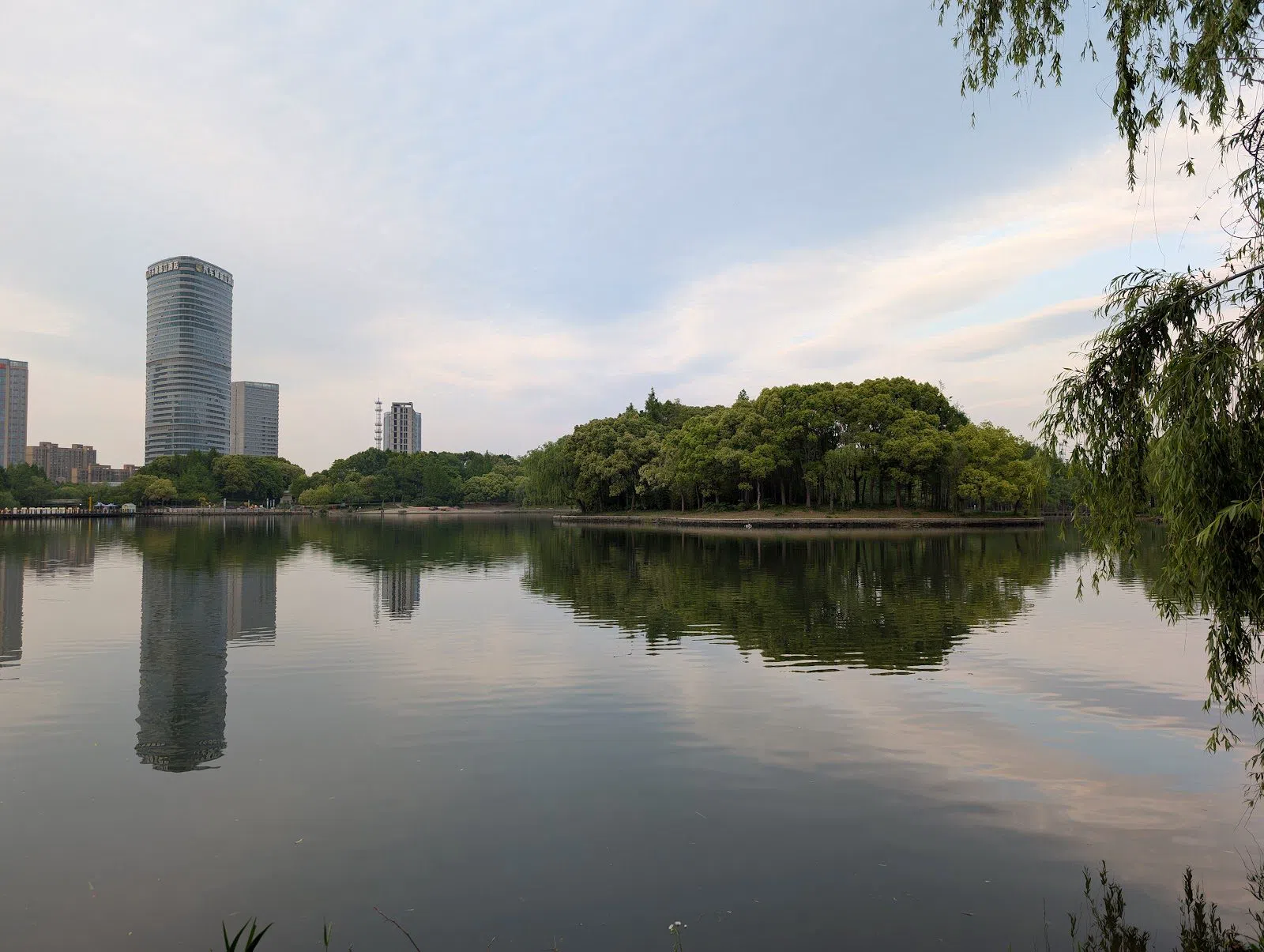
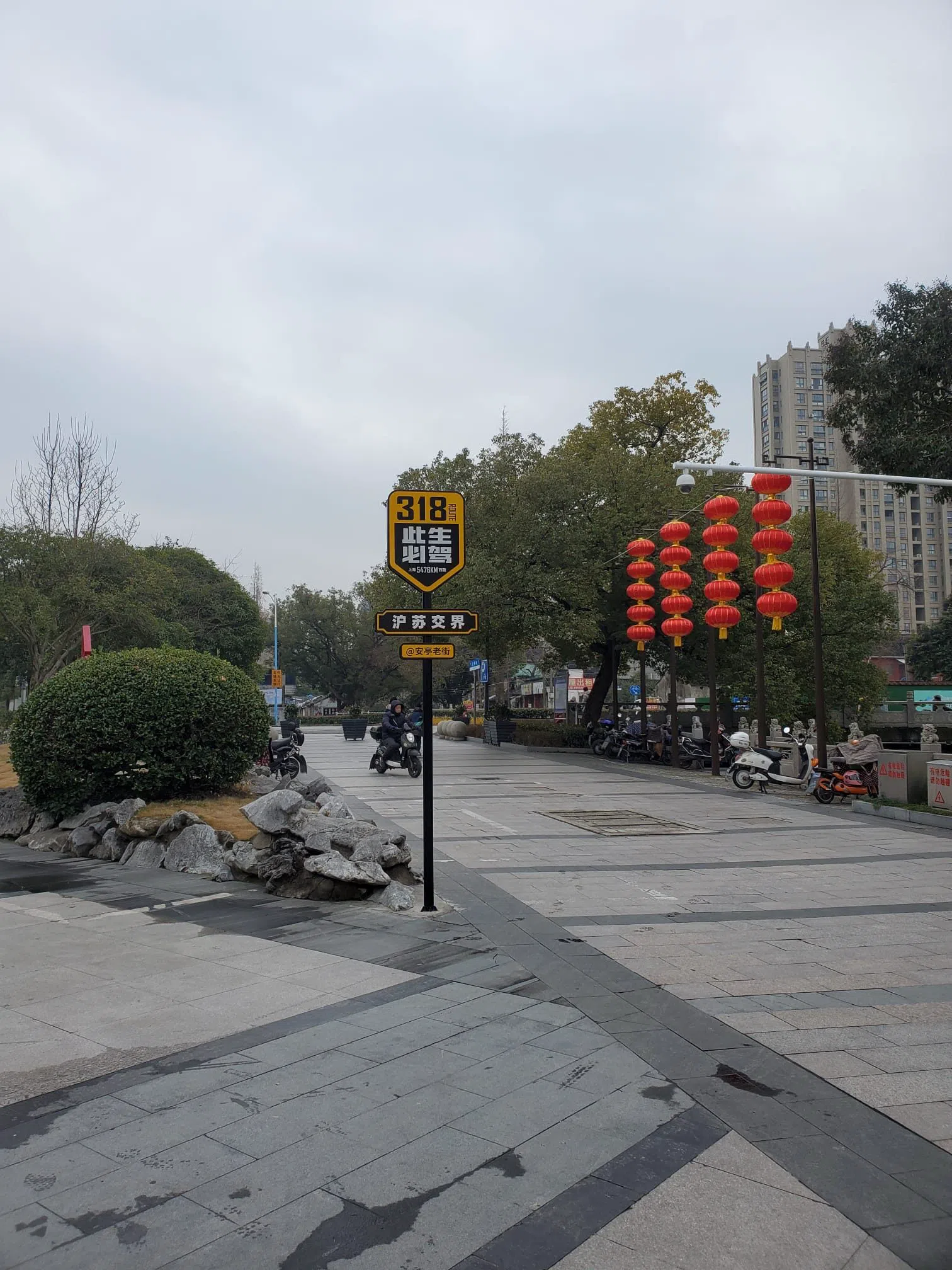
Anting Old Street (Anting) compresses the same century into 300 metres. It is a temple street with a thousand years behind it that now has an F1 cockpit simulator and a VR racing hall partway along it, which is either absurd or perfectly logical depending on your mood. The street itself is free and open around the clock. Simulator and VR slots are sold per person at roughly ¥50 to ¥100, so a group of four is fine but a coach party will be standing around waiting. Come at dusk, when the street is lit and the contrast between the temple end and the simulator end is at its sharpest.
Pre-war sedans that still turn a wheel
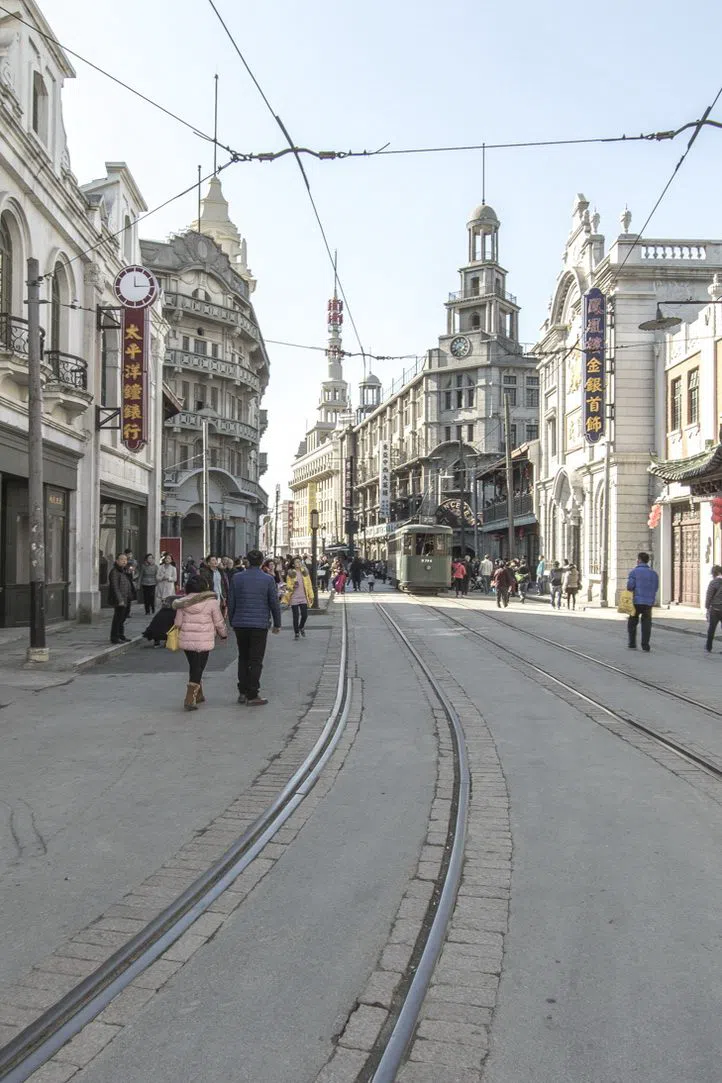
For cars in their original setting rather than behind a rope, the trip is Shanghai Film Park (Chedun, in the southwest of the city). This is a working studio backlot of recreated period streets, tram lines and shopfronts, and it holds a vintage vehicle hall of old-Shanghai limousines, military vehicles and ambulances, several of them still driveable and used on shoots. A period tram runs on the site and you can ride it. A backlot zone set in 1937 opened in summer 2025 and has widened what is walkable.
Entry is around ¥80, with the tram ride about ¥80 more, sold per seat. Large groups are genuinely fine here, because the place was built for coach traffic and handles it without the crush you'd get at the museum. The honest caveat is location: Chedun is well outside the centre and not a convenient metro hop, so budget around an hour each way by car or ride-hail and treat it as its own half-day rather than something you bolt onto Anting. Filming does occasionally close off sections without notice; if a specific street is the reason you're going, it is worth a call first.
Riding through the city in something old
Shanghai Insiders (private tours, pickups arranged across the city) is the last surviving vintage-vehicle city tour operator in Shanghai. Tours are private and tailor-made, guided by long-term expat residents, and priced from around ¥600 per person for two hours. For groups, multiple Jeeps run in convoy, which works better than it sounds: you get the open-air experience without being split across operators.
Book the Jeep, not the sidecar. Motorcycle sidecars have been banned from Shanghai's roads since 2019, and the rival operator that built its name on them shut in 2020. Anyone still selling you a sidecar ride through the city is selling something that cannot legally happen. This is a couples-and-small-groups product above all: two people in the back of a Jeep with a guide who knows which lane the traffic police care about is a very different experience from a fifteen-person convoy in heavy rush hour. Ask for an early start if you want the lane houses and the Bund before the crowds thicken.
Where Shanghai actually goes fast
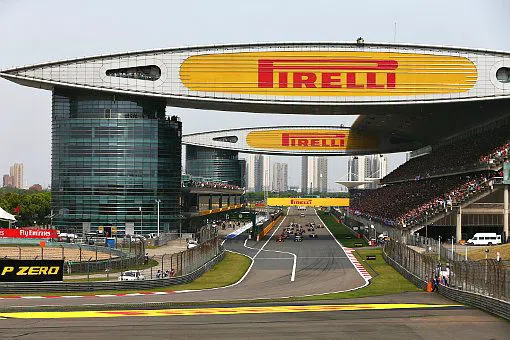
Shanghai International Circuit (Anting) is no longer a venue that wakes up once a year for the March Grand Prix. It now operates as a year-round 4A-rated attraction, and the guided tour is the real draw: you walk the pit garages, the media centre, the podium and the control room, and see the twentieth-anniversary collection assembled from the circuit's history. Tours run roughly ¥80 to ¥150 and take groups by arrangement; the circuit is closed on Mondays. Grand Prix tickets are a different order of money entirely and sell in a completely separate cycle, so don't confuse the two when you're pricing a trip.
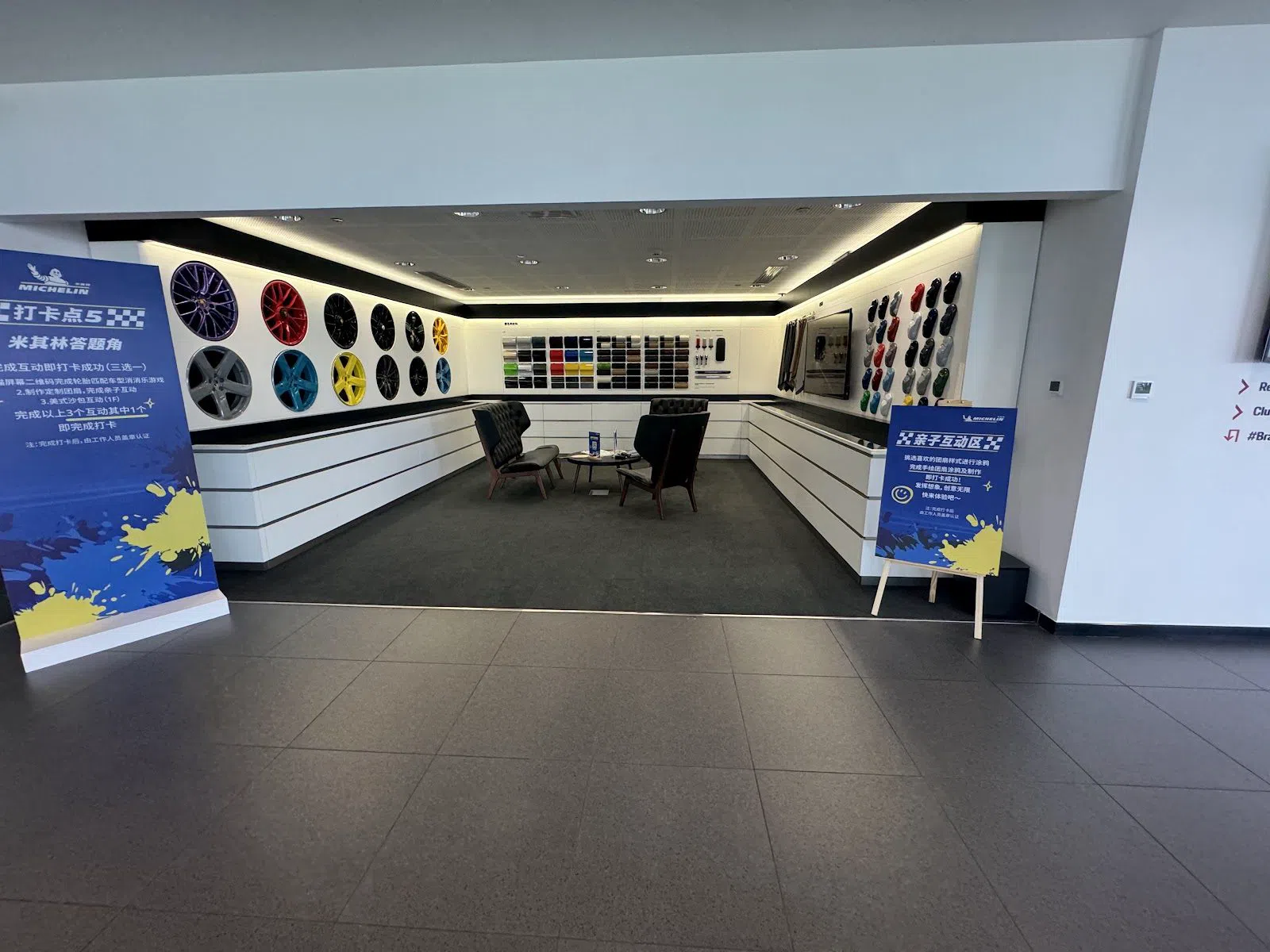
Sharing a fence with the circuit is Porsche Experience Centre Shanghai (Anting), the first of its kind in Asia. There is a handling course, an off-road track built for the Cayenne and Macan, and a sim-racing zone, plus a restaurant and conference rooms that make it a straightforward corporate or private-group booking. Sessions start from around ¥3,000 for 90 minutes. Book online well ahead, because weekends sell out and turning up on spec will not work. If your dates are fixed, reserve before you fly rather than after you land.
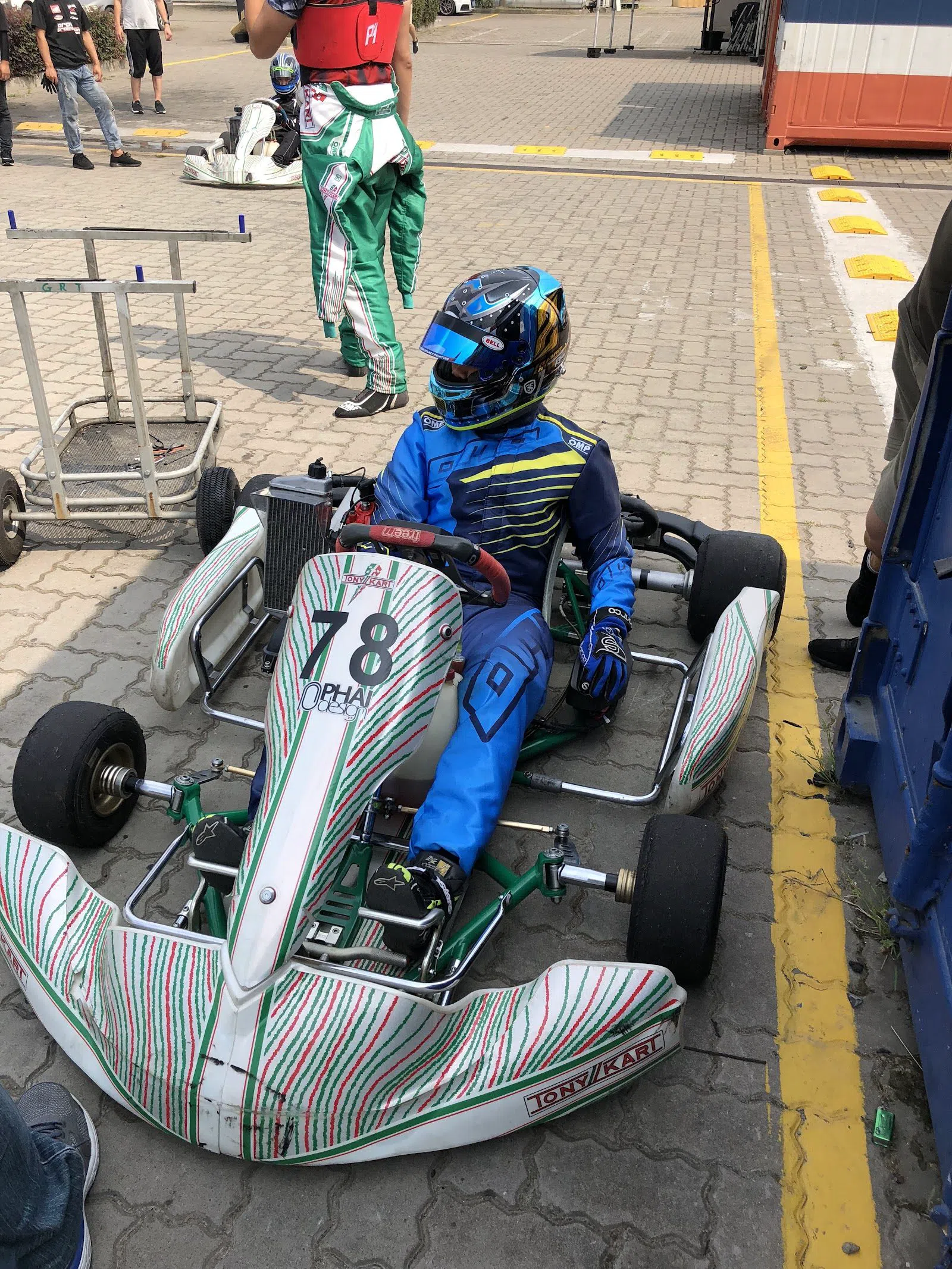
The cheapest way for a group to actually drive at the heart of Shanghai's motorsport is SIC Karting Land (inside the Grand Prix compound, Anting). The layout is FIA International Class A and has a reputation as one of the hardest kart tracks in Asia, which is not marketing: it punishes people who have only ever driven indoor karts. Recreational singles and two-seat parent-child karts can be booked walk-up through the WeChat mini-program; the professional Birel sessions need a phone reservation. Sessions run roughly ¥150 to ¥400 depending on kart and length. Closed Mondays, like almost everything in the district.
Rain, evenings and the things that still run when the track doesn't
Anting has one genuinely reliable wet-weather answer. Metaloop (Life Hub @ Anting) runs radio-control racing on a serious scale circuit with bookable lanes, open until 21:30 and priced around ¥100 to ¥200 per hour. It is designed for groups and parties, and it is the stop that saves the day when the karting and the circuit are both rained off, which happens often enough in a Shanghai spring to be worth holding in reserve.
After dark, Kaki Drive-In Cinema (Anting) shows nightly from 7pm until late, a few minutes from the country's first car museum, which is a satisfying piece of circular logic. Pricing is per car rather than per head at roughly ¥100 to ¥150, so a group splits it cheaply, but you need a vehicle. There is no walk-in seating and no way to talk your way in on foot, so this only works if you have driven, hired or hailed something that will stay with you for the film.
Hailing a car with nobody in it
The newest part of the story is the easiest to see and the hardest to guarantee. Apollo Go (Baidu's 萝卜快跑, operating a Pudong zone and the original Jiading pilot near the Automobile City) is the largest robotaxi network in the world by rides completed. In this city it runs on weekdays between 09:00 and 18:00, takes single-vehicle bookings only, and is hailed through the Apollo Go mini-program or partner Dazhong's app. Fares are broadly comparable to a normal taxi and frequently discounted below it.

Be realistic. Coverage here is thinner than in the network's flagship city, the service zones are specific rather than citywide, and registration usually expects a Chinese ID, which many visitors will not clear. Treat a driverless ride as a bonus that might land rather than the centrepiece of your day, and have a conventional ride-hail app ready as the fallback. If it does work, take it in Jiading rather than Pudong: covering the last few kilometres of a hundred-year story in a car with an empty driver's seat, on roads built by the industry that filled the museum you started in, is worth the small detour.
Planning the day
Metro Line 11 runs out to Anting and serves both the museum and the circuit directly. Allow about an hour from the central districts, and factor in that the district is spread out, so you will still take short taxi hops between the circuit compound, Life Hub and Old Street. Chedun needs a car or ride-hail. If you are ending at the drive-in, keep a vehicle for the evening.
Prices are in renminbi and mobile payment dominates, so set up Alipay or WeChat Pay with an international card before arrival, and carry a few hundred yuan in cash as a backstop for smaller counters. Budget roughly ¥200 to ¥300 per person for a museum-and-park day, ¥400 to ¥600 if you add karting or a simulator, ¥600 upwards for a Jeep tour, and from ¥3,000 per session for the Porsche programme.
Mondays close the museum, the miniature exhibition, the circuit tours and the karting, so do not plan the Anting day on one. Spring and autumn are kindest for the outdoor venues. March is Grand Prix month, when circuit access changes and hotel prices across the city move with it. Book the Porsche Experience Centre and any group tour before you fly, and check dates and rates through Shanghai hotel search early if your trip overlaps race weekend.
Before you go
How do I get to Anting's Automobile City from central Shanghai?
Metro Line 11 runs out to Anting in Jiading district and serves both the Shanghai Auto Museum and the Shanghai International Circuit directly. Allow around an hour from the central districts. The district is spread out, so expect short taxi hops between the circuit compound, Life Hub @ Anting and Anting Old Street once you are there.
Can foreign visitors actually ride a robotaxi in Shanghai?
Sometimes. Apollo Go runs a Pudong zone and the original Jiading pilot on weekdays from 09:00 to 18:00, hailed through its mini-program or partner Dazhong's app, but registration usually expects a Chinese ID and coverage is limited to specific zones. Treat it as a bonus rather than your transport plan, and keep a conventional ride-hail app as backup.
Which day should I avoid for the Anting car sights?
Monday. The Shanghai Auto Museum, the Miniature Wonderland, the Shanghai International Circuit tours and SIC Karting Land all close on Mondays. Shanghai Auto Expo Park and Anting Old Street stay open and free, but a Monday trip loses most of the day's substance.
Where can I see genuinely old Shanghai cars rather than museum displays?
Shanghai Film Park at Chedun has a vintage vehicle hall of old-Shanghai limousines, military vehicles and ambulances, several still driveable and used on shoots, plus a rideable period tram. Entry is around ¥80 with the tram about ¥80 extra, and it handles large groups better than the museum does.
Do I need to book the Porsche Experience Centre in advance?
Yes. Sessions start from around ¥3,000 for 90 minutes and weekends sell out, so book online well before you fly rather than after you land. The site has a restaurant and conference rooms and takes corporate and private group programmes, but walk-ups are not viable.