
Shanghai
Shanghai is a city defined by its vertical ambitions and its horizontal memories.
Guests & rooms
The Shanghai guide
An insider’s read on Shanghai
SShanghai is a city defined by its vertical ambitions and its horizontal memories.
Shanghai's identity was forged by its status as a treaty port. Following the Treaty of Nanjing in 1842, foreign powers carved the city into concessions, creating a unique administrative and architectural patchwork. This colonial legacy turned a modest trading town into a cosmopolitan financial powerhouse, earning it a reputation for decadence and intellectual ferment in the 1920s and 30s. After decades of isolation mid-century, the city was re-launched in the 1990s as the spearhead of modern China's economic rise. Today, its character is defined by 'Haipai'—the blending of Western and traditional Chinese cultures—resulting in a local population that is highly fashion-conscious, pragmatic, and fiercely proud of their distinct Shanghainese dialect and lifestyle.

PLATE IShanghai, China

Guides & ideas
The Shanghai reading list
Hand-written guides from our editors — itineraries, the best of after dark, where to eat, and what’s genuinely worth your time.
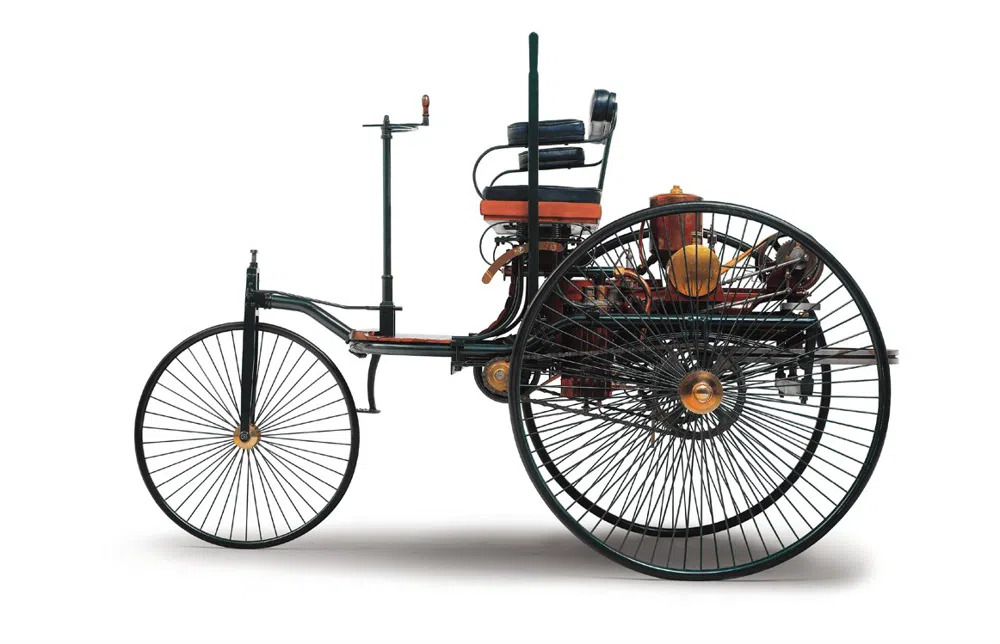
How Shanghai Went From Pre-War Sedans to Driverless Cabs
One district on the far end of Line 11 holds a century of Chinese driving: museum sedans, a Grand Prix circuit, a kart track and a robotaxi that pulls over with nobody at the wheel.
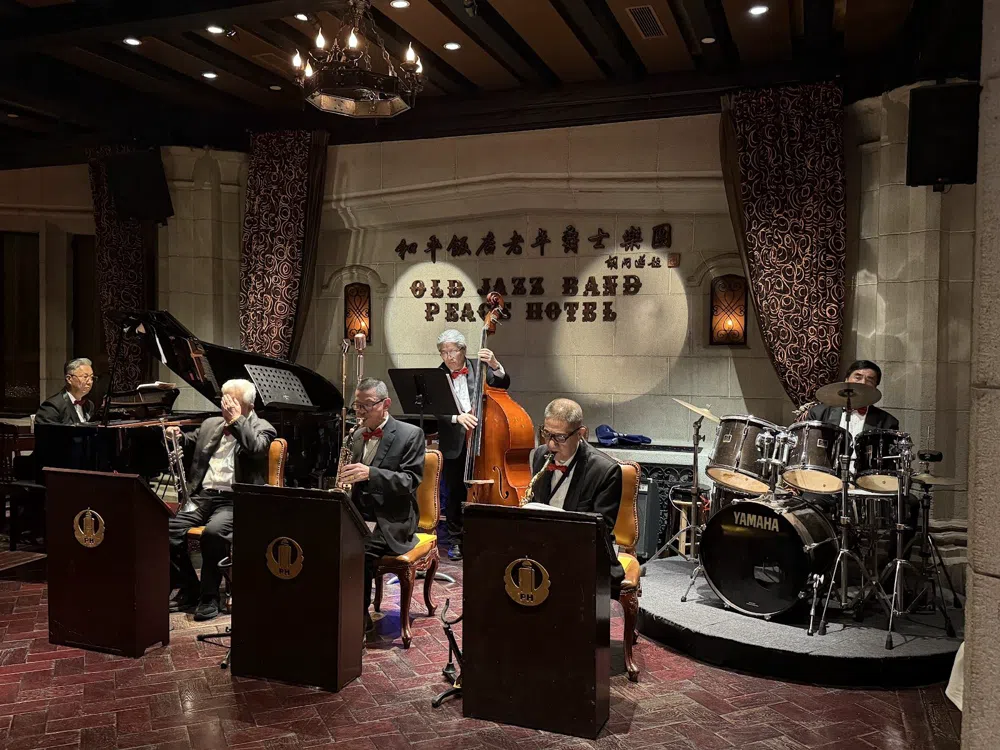
The Old Jazz Band at the Peace Hotel: Shanghai's 1930s Soundtrack, Still Playing
Six musicians in their eighties still play Glenn Miller nightly on the Bund — the living thread that runs from Jazz Age Shanghai to the city's restless present, and the nine rooms where you can hear it.
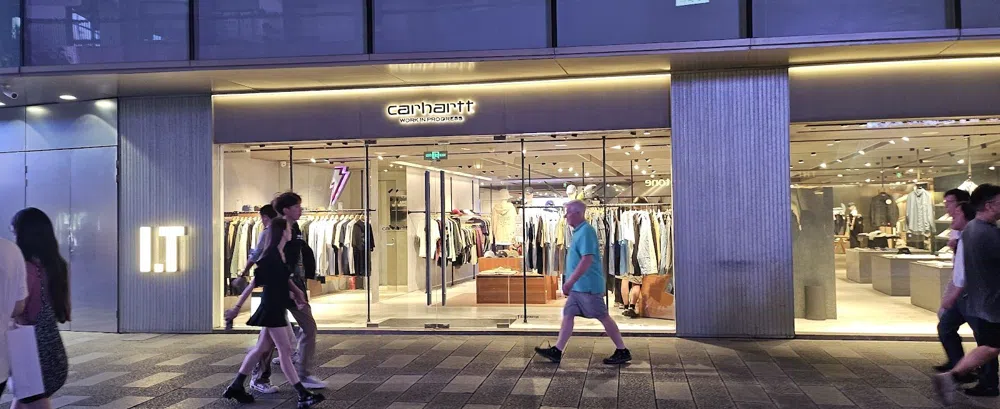
Behind the Stone Gates: Life in Shanghai's Vanishing Longtang Lanes
A calm, honest walking guide to the shikumen lane neighbourhoods that made Shanghai — from the sanitised showpieces to the lanes where people still hang out their laundry as you pass.
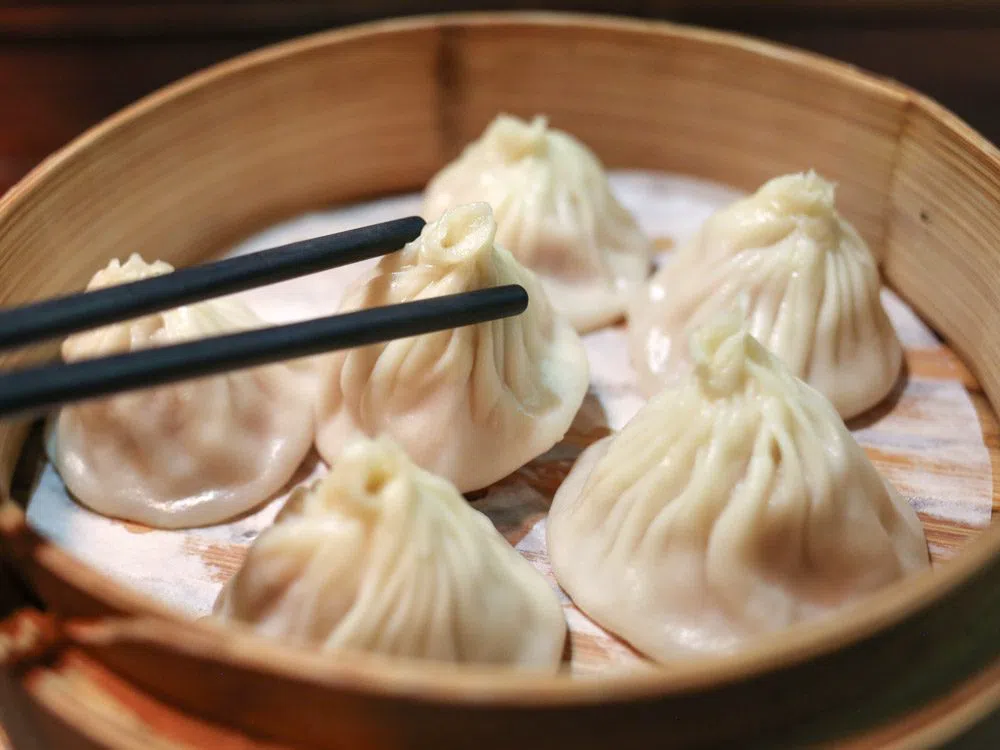
The Best Food Tours in Shanghai for Authentic Local Eats
From dawn wet-market crawls to chef-led deep dives and a bike through the backstreets — the food tours worth your money in Shanghai in 2026, honestly ranked.
Where to base yourself
The neighborhoods
01
The Bund (Waitan)
For First-time visitors and architecture enthusiasts. The trade-off is the relentless crowd of tourists and the premium prices charged at every venue.
Grand, historic, and imposing. The waterfront promenade is lined with monumental Beaux-Arts and Art Deco buildings facing the futuristic skyline of Pudong across the river.
Where to stay — Historic luxury hotels housed in preserved concession-era buildings.
02
Former French Concession (FFC)
For Slow travelers, coffee lovers, and those who prefer neighborhood life. The trade-off is that older properties here can have poor soundproofing and outdated plumbing.
Leafy, residential, and intimate. Low-rise lane houses, independent boutiques, and quiet cafes sit beneath a dense canopy of London plane trees.
Where to stay — Boutique guesthouses or restored lane house apartments.
03
Lujiazui
For Business travelers and those who want high-rise views. The trade-off is a lack of street-level soul; the area feels sterile and deserted after office hours.
Futuristic, corporate, and vertical. This is the financial engine of the city, dominated by three of the world's tallest skyscrapers and massive, air-conditioned shopping malls.
Where to stay — High-end international business hotels occupying the upper floors of skyscrapers.
04
Jing'an
For Expats and shoppers who want convenience and a wide selection of international dining. The trade-off is that it can feel corporate and lacks the historic intimacy of the FFC.
Polished, commercial, and central. A bustling hub where historic temples sit in the shadow of modern glass office towers and upscale malls.
Where to stay — Sleek, modern luxury and mid-range business hotels.
05
Xintiandi
For Luxury shoppers and those looking for high-end dining in a clean, historic setting. The trade-off is that it feels highly sanitized and lacks authentic local life.
Manicured, affluent, and pedestrianized. A car-free shopping and dining district created from reconstructed traditional shikumen (stone gate) lane houses.
Where to stay — Ultra-luxury design hotels and high-end serviced apartments.
06
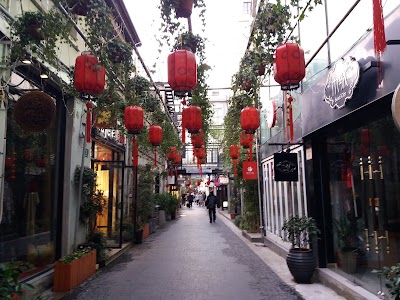
Tianzifang
For Souvenir hunters and casual explorers. The trade-off is that it is extremely touristy and can become uncomfortably packed on weekends.
Claustrophobic, artsy, and commercial. A maze of narrow alleyways packed with souvenir stalls, tea shops, craft boutiques, and street food vendors.
Where to stay — Not recommended for lodging due to crowds and noise, but nearby Dapuqiao offers standard mid-range options.
07
People's Square
For Culture seekers who want to be steps away from major museums. The trade-off is the overwhelming volume of foot traffic and aggressive street touts.
Civic, busy, and central. The geographic heart of the city, home to major cultural institutions, a massive metro interchange, and a sprawling park.
Where to stay — Large, high-rise international hotels.
08
Hongkou
For History buffs and travelers seeking a break from the glitz of central Puxi. The trade-off is that it is further from the main nightlife and dining hubs.
Historic, residential, and unpretentious. A quieter district that served as a haven for Jewish refugees during World War II, retaining a slower, local pace of life.
Where to stay — Mid-range local hotels and quiet guesthouses.
09
West Bund
For Art collectors, architecture fans, and runners. The trade-off is that it is spread out, requiring taxis or long walks between venues, with limited dining options.
Industrial-chic, artistic, and spacious. A former industrial waterfront transformed into a cultural corridor lined with world-class contemporary art museums.
Where to stay — Sleek, modern design hotels near the riverfront.
Book direct
Book a hotel in Shanghai
Loading live availability and real-time prices…
Where to eat
Dining
Xin Rong Ji (Nanyang Road)
€€€€Jing'an
Uncompromising execution of Taizhou-style seafood, sourcing pristine wild-caught fish from the East China Sea.
Signature — Wild yellow croaker braised with home-style tofu.
Fu 1088
€€€€Jing'an
Set in a preserved 1930s Spanish-style villa, offering private dining rooms and refined, historic Shanghainese seafood recipes.
Signature — Smoked fish prepared tableside.
Wang Bao He
€€€People's Square
Operating since the Qing Dynasty, this is the city's definitive institution for hairy crab and traditional yellow wine.
Signature — Steamed whole female hairy crab with ginger vinegar.
Jesse Restaurant (Old Jesse)
€€Former French Concession
A legendary, cramped institution serving soul-satisfying, traditional Shanghainese home cooking.
Signature — Cod fish head baked in a mountain of scallions.
Cejerdary
€€The Bund
A minimalist space dedicated entirely to serving pure, hand-picked crab meat and roe over noodles.
Signature — Crab fat noodles.

Ningbo Voyage
€€€Jing'an
Focuses on the salty, savory, and fermented seafood flavors of neighboring Ningbo port.
Signature — Steamed butter crab.
Rong Fu Ji
€€€Lujiazui
Excellent Taizhou-style seafood served in a polished dining room with views of the Pudong skyline.
Signature — Braised sea anemone with sweet potato noodles.
Xin Guang Jiu Jia
€€€€People's Square
A dedicated crab-feast restaurant where every course features a different part of the hairy crab.
Signature — Sautéed crab asparagus.
A-Mei Donghai Seafood
€€Changning
A no-frills, local favorite for fresh, simple preparations of East China Sea catches.
Signature — Salt-and-pepper mantis shrimp.
Stone Sal
€€€€Former French Concession
A temple to dry-aged beef, featuring custom-built aging rooms and a passionate chef-owner who sources rare cuts.
Signature — 45-day dry-aged ribeye.
The MEAT
€€€€Pudong
A sleek, contemporary steakhouse featuring its own in-house butcher and a dedicated aging room.
Signature — The 'Ningaloo' Tomahawk steak.
Char Bar & Grill
€€€€The Bund
Located on the 30th floor of the Hotel Indigo, combining premium cuts with panoramic views of the river.
Signature — Wagyu sirloin served with a choice of artisanal salts.
Roosevelt Prime Steakhouse
€€€€Former French Concession
An intimate, classic American steakhouse housed in a historic lane compound with a lush courtyard.
Signature — USDA Prime Filet Mignon.
1515 West Chophouse
€€€€Jing'an
Combines a classic 1930s Shanghai aesthetic with premium Australian beef hand-selected by the restaurant's meat sommelier.
Signature — Dry-aged T-bone steak.
El Bodegon
€€Former French Concession
An unpretentious, highly popular Argentine steakhouse offering exceptional value for grass-fed beef.
Signature — Argentine ribeye with chimichurri.
Raw Eatery & Wood Grill
€€€Jing'an
Focuses on clean, natural flavors using a Spanish Josper charcoal oven to seal in juices.
Signature — Charcoal-grilled Spanish Iberico pork presa.
Morton's The Steakhouse (IFC)
€€€€Lujiazui
Consistent, high-end American steakhouse dining with a dramatic close-up view of the Oriental Pearl Tower.
Signature — Center-cut double filet mignon.
Cuivre
€€€Former French Concession
A cozy French bistro that serves some of the most reliable grilled meats and classic frites in Puxi.
Signature — Côte de bœuf for two.
Jianguo 328
€€Former French Concession
A rare find in the city: high-quality, MSG-free Shanghainese comfort food served in a narrow, multi-story lane house.
Signature — Red-braised pork belly with sweet soy glaze.
Guang Ming Cun
€Huaihai Road
A state-owned legendary eatery where locals queue for hours for traditional cold appetizers and savory pastries.
Signature — Fresh pork mooncakes (Xianrou Yuebing).
Sui Tang Li
€€€Jing'an
Modern, creative dim sum and small plates served in a sleek, contemporary dining room inside The Middle House.
Signature — Xiao long bao with black truffle and Iberico pork.
Ye Shanghai
€€€Xintiandi
Elegant, jazz-era styled dining room serving refined classics from Shanghai, Zhejiang, and Jiangsu.
Signature — Cold chicken steeped in Shaoxing rice wine.
Chun
€€Former French Concession
A tiny, family-run dining room with only four tables, offering home-style cooking based on what is fresh at the market.
Signature — Scrambled eggs with crab meat.
Baoluo Restaurant
€€Jing'an
A late-night institution that has retained its old-school, chaotic dining hall charm.
Signature — Swiss steak.
Xibo
€€Jing'an
Sleek, modern showcase of Xinjiang folk cuisine, utilizing organic ingredients from China's northwest.
Signature — Roasted mutton skewers.
Lost Heaven
€€The Bund
Atmospheric, dimly lit dining room serving the spicy, herbal flavors of Yunnan province.
Signature — Yunnan wild mushroom salad.
Sheng Yong Xing
€€€€The Bund
An elegant dining room on the Bund specializing in perfectly roasted Beijing duck paired with a world-class wine list.
Signature — Signature roast duck with caviar.
Ultraviolet by Paul Pairet
€€€€Undisclosed Location
A single-table, 10-seat multi-sensory dining experience combining avant-garde cuisine with 360-degree projections, scents, and sounds.
Signature — The 20-course avant-garde tasting menu.
L'Atelier de Joël Robuchon
€€€€The Bund
Opulent French gastronomy centered around a dramatic open kitchen overlooking the Bund.
Signature — Le Caviar Imperial.
Yi Long Court
€€€€The Bund
Exquisite, classical Cantonese dining set in a 1930s Shanghai noble house aesthetic inside The Peninsula.
Signature — Barbecued Iberian pork with honey.
Taian Table
€€€€Changning
An intimate, interactive counter-seating experience focused on highly seasonal, modern European dishes.
Signature — The monthly rotating chef's tasting menu.
Fu 1015
€€€€Jing'an
Elite Shanghainese set-menu dining in a historic garden villa, evoking the lifestyle of old Shanghainese aristocrats.
Signature — Braised abalone with pork belly.
Canton Table
€€€€The Bund
Elegant, modern Cantonese dining with a sophisticated Art Deco interior and views of the river.
Signature — Crispy-skin roast pork belly.
Mr & Mrs Bund
€€€€The Bund
Paul Pairet's chic, democratic French eatery serving playful twists on global bistro classics in a high-energy room.
Signature — Lemon & Lemon Tart.
Obscura by Behry & DeAille
€€€€Jing'an
A highly creative, modern interpretation of Chinese culinary heritage by a talented chef duo.
Signature — Multi-course conceptual Chinese tasting menu.

T'ang Court
€€€€Xintiandi
Classic, refined Cantonese cuisine served in an intimate, luxurious setting inside The Langham.
Signature — Braised sea cucumber with minced pork.
Jia Jia Tang Bao
€People's Square
Famous for freshly rolled, thin-skinned soup dumplings steamed to order in traditional bamboo baskets.
Signature — Pork and crab meat xiao long bao.
Yang's Fry-Dumpling
€Jing'an
The city's most famous chain for thick-skinned, sesame-crusted pan-fried pork buns filled with hot broth.
Signature — Shengjian bao.
Wei Xiang Zhai
€Huaihai Road
A legendary, cramped, and noisy noodle shop that has served the same recipe for decades.
Signature — Sesame paste noodles with spicy pork (Majiang mian).
Da Hu Chun
€The Bund
A historic brand serving the traditional, yeast-leavened style of shengjian bao with a thicker skin and less broth.
Signature — Pork shengjian bao.
Lin Long Xuan
€Former French Concession
An excellent, slightly less chaotic alternative to Jia Jia for pristine, hand-pinched soup dumplings.
Signature — Pure crab meat xiao long bao.
Dong Tai Xiang
€Huangpu
A 24-hour heritage snack shop specializing in traditional Shanghainese breakfast items.
Signature — Scallion oil noodles (Congyou banmian).

A San Sheng Jian
€Changning
A local neighborhood favorite that still fries their buns in traditional shallow iron pans over open flames.
Signature — Classic pork shengjian.
Erzhihe Rice Noodle
€Jing'an
A tiny, bustling shop serving fiery, comforting Hunan-style rice noodles.
Signature — Spicy beef rice noodles.
Lao Sheng Chang
€Former French Concession
A reliable, clean local chain serving comforting Suzhou-style sweet broth dumplings and wontons.
Signature — Suzhou-style soup dumplings.
Fu He Hui
€€€€Former French Concession
A Zen-inspired, Michelin-starred temple to vegetarian fine dining, showcasing rare Chinese fungi and vegetables.
Signature — Grilled porcini mushroom served in a smoky glass dome.
Godly (Gong De Lin)
€People's Square
Founded in 1922, this historic Buddhist restaurant is famous for its mastery of mock-meats made from wheat gluten and tofu.
Signature — Vegetarian 'crab meat' made from carrots and potatoes.
Duli
€Former French Concession
A trendy, casual vegan bistro serving creative fusion dishes and natural wines in a hidden courtyard.
Signature — Vegan mapo tofu fries.
Jen Dow
€Jing'an
A massive, multi-floor vegetarian buffet located next to Jing'an Temple, offering everything from dim sum to hot pot.
Signature — Vegetarian dim sum selection.
Wujie
€€€The Bund
High-end, artistic vegetarian cuisine that focuses on organic, seasonal ingredients without relying on mock meats.
Signature — Sweet and sour 'ribs' made of lotus root.
Annamaya
€Former French Concession
A cozy, organic vegetarian cafe focusing on macrobiotic bowls and cold-pressed juices.
Signature — Macrobiotic Buddha bowl.
Sproutworks
€Jing'an
A popular, casual deli-style spot offering fresh, creative salads and grain bowls for a quick lunch.
Signature — Custom warm grain bowl.
Pure & Whole
€Pudong
A Western-style vegetarian restaurant serving clean, wholesome wraps, burgers, and pastas.
Signature — The green curry wrap.
Yan Gege
€€Jing'an
An elegant, vegetarian hot pot restaurant specializing in rich, medicinal mushroom broths.
Signature — Wild mushroom broth hot pot.
After dark
Nightlife
SYSTEM
Xuhui
A multi-level, industrial-chic electronic music and art space that hosts cutting-edge international and local DJs.
Le Baron
Former French Concession
An intimate, red-lit club known for its strict door policy and fashion-forward crowd.
Celia Academy
Jing'an
The definitive late-night, after-hours club where dedicated electronic music fans go when other bars close.

Heim
Former French Concession
A cozy, multi-room underground club focusing on fostering local DJ talent and community.
Abyss
Jing'an
A dark, industrial basement club dedicated to hard techno and experimental electronic beats.
Speak Low
Former French Concession
Shingo Gokan's legendary multi-level speakeasy hidden behind a slide-out bookshelf in a barware shop.
Sober Company
Jing'an
A multi-concept space where guests move from a cafe to a restaurant, then a bar, and finally a hidden room.
Flair Rooftop Restaurant & Bar
Lujiazui
Located on the 58th floor of the Ritz-Carlton, offering the most dramatic, close-up outdoor view of the Oriental Pearl Tower.
The Odd Couple
Xintiandi
A collaboration between bartending icons Shingo Gokan and Steve Schneider, featuring high-speed cocktail service.
Punch Room
The Bund
Located inside The Edition hotel, this intimate, wood-paneled bar specializes in modern interpretations of historical punches.
JZ Club
Former French Concession
The city's legendary jazz institution, hosting top-tier local and international jazz acts in a red-velvet lounge.
Yuyintang
Changning
The oldest and most respected indie rock venue in the city, hosting local punk, metal, and indie bands.
Jazz at Lincoln Center Shanghai
The Bund
An official outpost of the New York institution, bringing world-class international jazz musicians to a state-of-the-art room.
Yuyintang Park
Changning
The larger, modern sister venue of the original Yuyintang, located near a park and hosting larger touring acts.
Heyday
Former French Concession
A vintage-style jazz lounge that transports guests back to the glamorous cabaret era of 1930s Shanghai.
House of Blues & Jazz
The Bund
A long-running venue near the Bund serving up classic blues, soul, and funk in a cozy, wood-paneled space.
Art & history
Culture
Shanghai Museum
People's Square
Houses one of the world's finest collections of ancient Chinese bronzes, ceramics, calligraphy, and jade.
Power Station of Art
Huangpu
Housed in a massive, converted former power plant, this is China's first state-run museum of contemporary art.
Shanghai Jewish Refugees Museum
Hongkou
Preserves the history of the Ohel Moshe Synagogue and the 20,000 Jewish refugees who fled Nazi Europe to live in the Hongkou Ghetto.
Shanghai History Museum
People's Square
Located in the historic former Shanghai Race Club building, tracking the city's evolution from a fishing village to a modern metropolis.
Shanghai Natural History Museum
Jing'an
Housed in a stunning, bioclimatic building designed by Perkins+Will, featuring a massive collection of specimens.
Long Museum (West Bund)
West Bund
A monumental private museum built around a historic coal-unloading bridge, showcasing ancient and contemporary art.
The Bund
The Bund
A waterfront showcase of 52 historic buildings in various European architectural styles, including Gothic, Baroque, and Art Deco.
Shanghai Tower
Lujiazui
The world's second-tallest building, featuring a unique double-skin twisting facade and the world's fastest elevator.
Yu Garden
Old Town
A classical Ming Dynasty garden featuring intricate rockeries, traditional pavilions, and dragon-walled corridors.
Wukang Mansion
Former French Concession
An iconic, flatiron-shaped apartment building designed by legendary Slovak-Hungarian architect László Hudec in 1924.
Jing'an Temple
Jing'an
An active Buddhist temple with a history dating back to the 3rd century, dramatically surrounded by modern shopping malls.
Jade Buddha Temple
Putuo
An active, peaceful Chan Buddhist temple housing two magnificent jade Buddha statues imported from Myanmar.
M50 Creative Park
Putuo
A former textile mill complex transformed into the city's premier contemporary art district, packed with independent galleries and artist studios.
Rockbund Art Museum (RAM)
The Bund
Housed in a beautiful 1930s Art Deco building, hosting highly curated, cutting-edge contemporary art exhibitions.
West Bund Museum
West Bund
A striking modern museum designed by David Chipperfield, operating a long-term cultural collaboration with the Centre Pompidou.
Fotografiska Shanghai
Jing'an
An outpost of the famous Swedish photography museum, housed in a historic warehouse along the Suzhou Creek.

Yuz Museum
West Bund
A massive contemporary art space founded by collector Budi Tek, housed in a former airport hangar.
Pearl Art Museum
Minhang
Designed by legendary architect Tadao Ando, this gallery is uniquely integrated with a massive bookstore under a glass dome.
Book ahead
Top-rated experiences in Shanghai

Shanghai Breakfast Walking Tour of Former French Concession
from $77

Hangzhou Private Customized Day Trip from Shanghai by Bullet Train
from $275

Wuzhen and Xitang Water Town Private Full Day Trip from Shanghai with Lunch and Dinner
from $284

2-Hour Chinese Calligraphy with an Artist in Shanghai, China
from $59

Small-Group Shanghai's Old City Walking Exploration
from $60

Shanghai Food and Culture Tour with 10 dishes and 5 eateries
from $74

Beijing Great Wall Private Day Tour from Shanghai by Bullet Train
from $575

Zhujiajiao Water Town Tour from Shanghai with Boat Ride Option
from $126
Prices from Viator; we may earn a commission when you book — at no extra cost to you. Tours are sold and operated by Viator, the merchant of record. Ratings are collected by Viator and Tripadvisor.
Timing
When to visit
Autumn
October to November is the prime window. The summer heat has broke, skies are generally clear, and the city's plane trees turn golden. This is also the highly anticipated season for tasting local hairy crab.
Spring
March to May brings mild temperatures and blooming plum blossoms, though spring rains can be frequent and unpredictable. Packing layers is essential.
Summer
June to September is intensely hot and humid, punctuated by the 'plum rain' season in early summer and occasional typhoons in August. Outdoor exploration becomes draining.
Winter
December to February is cold, damp, and grey. Because the city lies south of the Huai River, central heating is not standard in older buildings, making the cold feel particularly biting.
What it costs
Budgeting
Logistics
Getting around
From the airport
Pudong International Airport (PVG) is connected to the city center by the Maglev train, which reaches speeds of 430 km/h and deposits passengers at Longyang Road Metro Station in eight minutes for a low-band fee. Alternatively, Metro Line 2 runs directly into Puxi, though it takes over an hour. Hongqiao Airport (SHA) is closer to the center and directly linked via Metro Lines 2 and 10.
Public transit
The Shanghai Metro is clean, punctual, and incredibly vast, with bilingual English-Chinese signage throughout. It is the fastest way to bypass surface traffic, which can be gridlocked during rush hours.
Passes & tickets
A 3-Day Metro Pass is available at station service desks for a low-band price, offering unlimited rides. Alternatively, travelers can load a virtual Shanghai Public Transportation Card onto their smartphone wallet for seamless tap-and-go entry.
On foot
The historic core of Puxi, particularly the former French Concession and the Bund, is highly walkable with flat, tree-shaded sidewalks. However, crossing between Puxi and Pudong requires using the metro, a ferry, or a road tunnel, as there are no pedestrian bridges.
Travel smart
Safety & etiquette
Local etiquette
- •Set up mobile payments (Alipay or WeChat Pay) linked to your credit card before arriving, as cash is rarely used and some vendors do not carry change.
- •Tipping is not expected or practiced in restaurants, taxis, or bars; exceptional service is occasionally rewarded in high-end hotels.
- •When presenting or receiving business cards, money, or gifts, always use both hands as a sign of respect.
- •Stand on the right side of escalators in metro stations to allow others to pass on the left.
From the ground
Practical tips
1
Download Alipay and WeChat before landing, and link your international credit card to enable seamless mobile payments.
2
Install Gaode Maps or Apple Maps for navigation, as Google Maps is highly inaccurate and outdated in China.
3
Carry a small pack of pocket tissues and hand sanitizer, as many local public restrooms do not provide toilet paper or soap.
4
Keep a digital photo of your passport on your phone, as you will need your passport number to book train tickets, museum entries, and hotel check-ins.
5
Avoid the 'tea ceremony' invitation from friendly strangers on Nanjing Road; it is a well-known scam designed to extort money.
6
Take the Maglev train from Pudong Airport instead of a taxi; it is faster, cheaper, and avoids the notorious city traffic.
Shanghai FAQs
Do I need a visa to visit Shanghai?
Yes, most travelers require a Chinese visa, though citizens of many countries can utilize the 144-hour visa-free transit policy if transiting through Shanghai to a third country.
Is English widely spoken?
English is spoken in major international hotels, high-end restaurants, and by younger locals, but taxi drivers and street food vendors generally do not speak English. Having translation apps ready is highly recommended.
How do I access Western websites and apps?
Many Western websites and apps (Google, Instagram, WhatsApp) are blocked. You must download and set up a reliable VPN on your devices before arriving in China, or use an international roaming eSIM which bypasses the firewall.
Can I drink the tap water?
No, tap water is not potable. Always drink bottled or boiled water, which is cheap and widely available.
When do the Bund lights turn off?
The historic buildings on the Bund and the skyscrapers in Lujiazui are illuminated daily, typically turning off at 10:00 PM (or 11:00 PM in summer).